
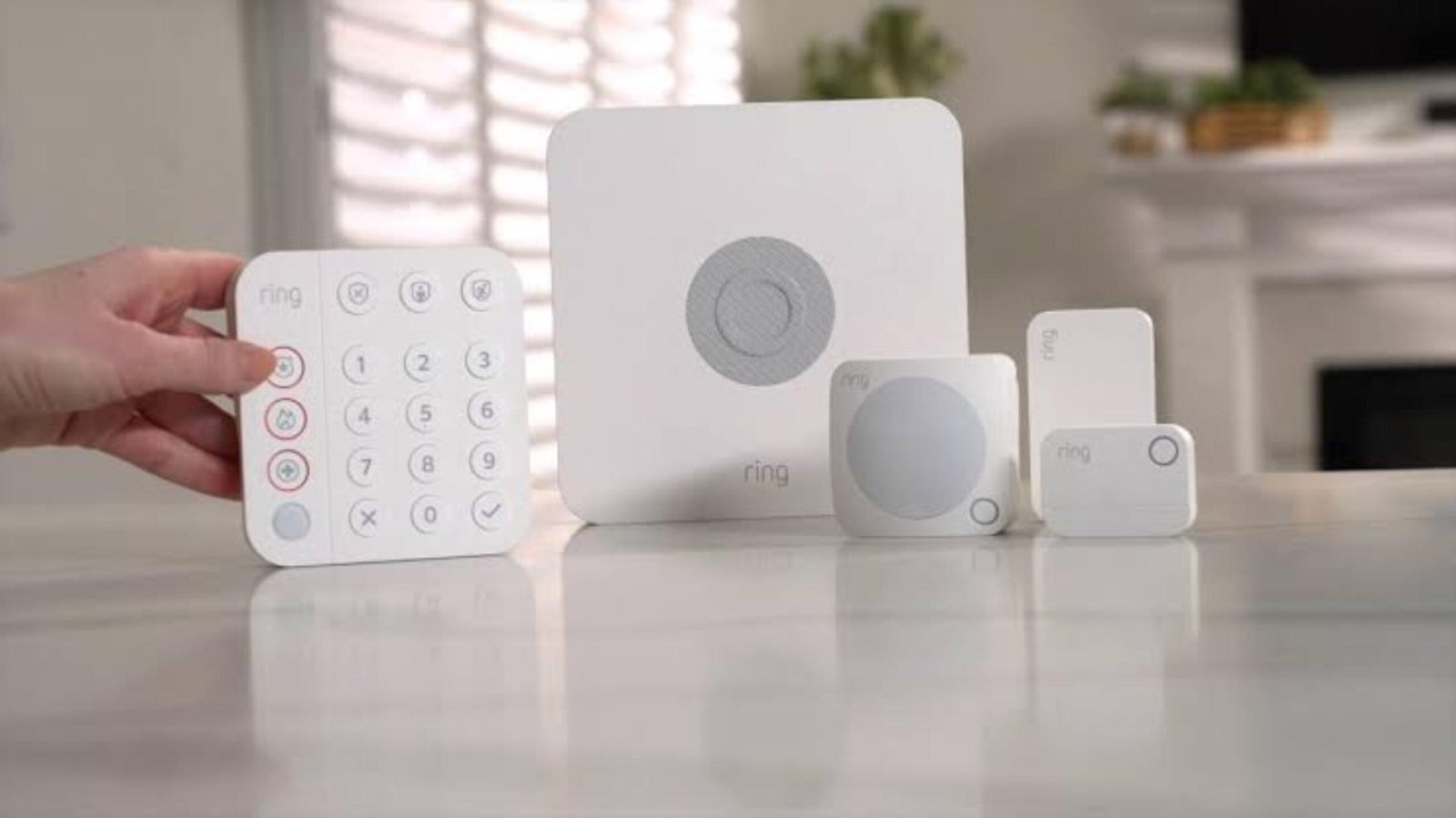
- Get a clear shortlist of the best budget smart home security systems that are actually worth your money.
- Learn how to compare features, fees, and smart integrations so you do not overpay.
- See which smart home security systems fit apartments, family homes, and renters.
Smart home security systems used to be expensive, complicated, and locked into long contracts. Now you can protect your home with budget‑friendly devices, apps, and automation, often without a technician stepping through your front door.
If you pick the right system, you get pro‑level features, app control, and smart alerts, while still keeping your monthly costs low. The goal is to choose one of the best budget smart home security systems that match your home, not your neighbor’s.
Note: Internal links are skipped because the CSV with your URLs is not available in this chat. Add them later where you mention related guides or products.
Why budget smart home security matters
Rising need for affordable protection
Break‑ins, package theft, and porch snooping are not rare anymore.
That is why many people, especially new homeowners and renters, are turning to smart home security systems that they can afford and install themselves.safewise
For most households, a budget system already covers the basics: door and window sensors, motion sensors, and simple cameras.consumerreports
How budget differs from premium
Premium home security systems often include professional installation, advanced sensors, and more polished apps.security
Budget options focus on essential protection and smart features, but skip some extras to keep prices low.pcmag
You still get a central hub, mobile control, and alerts.
You just pay less for hardware and ongoing service.safewise
Why contracts are no longer required
Traditional alarm companies pushed multi‑year contracts, early‑termination fees, and high monthly monitoring.safehome
Newer smart home security systems often allow you to self‑monitor or pay month‑to‑month if you want professional response.security
That flexibility is a big reason budget systems are so popular.
What to look for in budget systems
Upfront cost vs ongoing fees
Always look at total cost, not just the starter kit price.
Some of the best budget smart home security systems have low hardware prices but expensive monitoring.safehome
Check:
- Equipment cost (hub, sensors, cameras)
- Monitoring fee (if any)
- Cloud storage for videos
- Extra device pricing
A slightly higher kit price with low or optional fees can be cheaper over a few years.consumerreports
DIY versus professional installation
Most budget home security systems are DIY.
You peel and stick sensors, plug in the hub, and follow app instructions.pcmag
Professional installation is nice, but it adds to the bill.
If you can handle basic tools and follow on‑screen steps, DIY is usually enough.security
Core components you actually need
Focus on these basics first:
- Hub or base station
- Door and window contact sensors
- Motion sensor (or a few)
- Optional indoor and outdoor cameras
- Keypad or key fob for quick arming
Those pieces cover entry points and give you visibility.
You can always add glass‑break sensors, smart locks, or extra cameras later.consumerreports
Smart integrations and voice control
One reason smart home security systems are so popular is voice control and automation.
Many budget systems work with Alexa, Google Assistant, or both.pcmag
With that, you can:
- Arm your system with a voice command
- Turn on lights when an alarm triggers
- Create bedtime routines that lock doors and arm sensors
Choose the ecosystem that matches other devices you already own.
App quality and everyday usability
You will use the app more than any other part of your system.
So it needs to be clear, responsive, and stable.pcmag
Look for:
- Easy arming/disarming
- Custom notifications
- Simple timeline for events and clips
- Fast access to live camera views
A cheap system with a confusing app is not really “budget friendly” in daily life.
Top 5 best budget smart home security systems
Quick overview of the top five
This list focuses on budget‑friendly picks that still offer smart features and flexible monitoring.security
Typical roles:
- One best overall value
- One great choice for renters
- One easy DIY starter kit
- One with cameras included at a low price
- One that avoids contracts and long commitments
Each of these best budget smart home security systems can secure a small to mid‑size home without a huge bill.
Best for small apartments
If you live in a small apartment, you often need:
- A compact hub
- 2–4 door/window sensors
- One motion sensor
- Maybe one camera at the door
You do not need 20 sensors.
Look for systems that let you buy only what you need, so you stay within budget.safewise
Best for larger family homes
A larger home might need more:
- Sensors for multiple doors and windows
- Extra motion sensors
- Garage and backyard coverage
Choose a system that scales easily and offers discounted add‑on devices.security
For family homes, strong app permissions and multiple user codes are also important.
Best for tech‑savvy users
If you enjoy tinkering, pick smart home security systems that integrate with:
- Smart lights
- Smart locks
- Smart plugs
- IFTTT or similar tools
This allows complex routines without huge costs.
You can trigger lights, lock doors, and send custom alerts when specific sensors trip.pcmag
System 1 best overall value
Key features and included devices
The “best overall” budget system usually includes:
- Hub with battery backup
- 3–6 door/window sensors
- 1–2 motion sensors
- Optional indoor camera
- App control and basic automation
This setup fits many small to medium homes right out of the box.safewise
Smart home integration and automations
Good value systems often work with major smart assistants.pcmag
You can:
- Arm the system when you say “goodnight”
- Turn off lights when you arm Away mode
- Receive alerts on your phone and smart speaker
These features can make a basic kit feel premium.
Monitoring options and flexibility
Most budget “best overall” systems support:
- Self‑monitoring through the app
- Optional low‑cost professional monitoring
You can start with self‑monitoring and add pro monitoring later.security
This keeps costs low while you test the system.
Who this system fits best
This kind of home security system is ideal if:
- You own your home or plan to stay a few years
- You want a reliable, simple solution
- You like the idea of optional upgrades without pressure
It is the safe pick for many people.
System 2 best for renters
Non invasive installation and portability
Renters need systems that come down as easily as they go up.
Look for peel‑and‑stick sensors, no‑drill mounts, and wireless devices.consumerreports
When you move, you can take the entire smart home security system with you.
Handling shared spaces and roommates
If you share a place, consider:
- App access for multiple users
- Guest or roommate codes
- Clear notifications about who armed or disarmed the system
This prevents confusion and accidental alarms.safewise
App experience on the go
Renters often travel or work long hours.
So they rely heavily on mobile alerts and remote arming.
Choose systems with:
- Clear push notifications
- Quick access to live camera feeds
- Easy control for visitors or delivery personnel
Pros and cons for apartment use
Pros
- Easy install and removal
- Works on small floor plans
- Often cheaper starter kits
Cons
- Limited range in very large buildings
- Sometimes weaker Wi‑Fi in dense apartments
Still, the best budget smart home security systems for renters do an excellent job for the price.
System 3 best DIY starter kit
Simple setup and onboarding
A DIY starter kit should guide you through:
- Creating an account
- Connecting the hub
- Adding sensors one by one
- Testing each device
Many apps show animations or short videos to help.pcmag
You do not need technical skills, just patience and your phone.
Expandability and extra devices
Start small.
Then, if you like the system, add:
- Extra window sensors
- Glass‑break sensors
- Additional cameras
- Smart plugs
Make sure your chosen smart home security system supports easy expansion.consumerreports
Automations and everyday routines
DIY kits often let you build routines such as:
- Auto‑arming when everyone leaves (geofencing)
- “Home” mode at night with only perimeter sensors active
- Light routines when motion triggers at odd hours
These small automations boost security and convenience.security
Tradeoffs versus traditional systems
You may give up things like:
- Hardwired keypads in every room
- Professional install
- Very advanced sensors
In exchange, you avoid contracts, large bills, and installation headaches.
System 4 best budget system with cameras
Camera quality and field of view
A system that includes cameras must balance quality and price.
Ideal specs:
- At least 1080p resolution
- Decent night vision
- Wide field of view (around 120° or more)
This is usually enough to recognize faces near doors and hallways.security
Local versus cloud storage choices
Some systems store video locally on:
- microSD cards
- Network video recorders
- Base stations
Others push you to cloud storage.
The best budget smart home security systems offer a free or low‑cost storage tier, or at least do not force a subscription.consumerreports
Smart detection and alerts
Look for features like:
- Human detection
- Package detection
- Custom detection zones
Smart detection reduces false alerts from cars or trees.pcmag
This makes the system easier to live with.
Value for families
Families often value video clips to verify alarms.
You can see if it is your teenager coming home late or an actual intruder.
Camera‑inclusive home security systems give that visual peace of mind without needing separate brands and apps.
System 5 best no contract option
Month to month or self monitored
Some systems shine because they do not require contracts at all.
You can self‑monitor for free or pay month‑to‑month for pro monitoring.safehome
That flexibility is perfect if your budget changes or you are unsure how long you will stay in your home.
Backup options when internet fails
Good no‑contract smart home security systems still offer:
- Battery backup in the hub
- Cellular backup on some plans
This keeps alarms working during power or internet outages.safewise
Flexibility for frequent movers
If you move often, you should not be stuck in a long contract.
No‑contract systems let you:
- Take the gear with you
- Pause or cancel monitoring
- Reconfigure sensors in your new place
You keep control, not the alarm company.
Best for budget conscious users
This type of system fits people who:
- Want maximum control
- Hate long agreements
- Need flexibility for job or life changes
It is a great match for many budget‑focused readers.
Cost breakdown and hidden fees
Typical starter kit pricing
Most budget systems fall into a few ranges:
- Low end: small kits with a hub and a few sensors
- Mid range: more sensors plus at least one camera
- Upper budget: larger bundles for big homes
Compare what each kit includes, not just the headline price.safehome
Monitoring and storage tiers
Common monitoring options:
- Free self‑monitoring (push alerts only)
- Low‑cost pro monitoring with police or fire dispatch
- Premium plans with extra app features and video storage
For systems with cameras, storage plans can add a noticeable extra cost.security
Long term cost of ownership
Calculate cost over two or three years:
- Equipment
- Monitoring
- Storage
- Extra devices
Sometimes a slightly more expensive kit is cheaper long term because of flexible or optional fees.consumerreports
Smart features that matter most
Voice control and simple commands
Voice control is convenient but also a small security upgrade.
You can arm the system from the couch or when you already left a room.
Most of the best budget smart home security systems support at least one major voice assistant.pcmag
Location and schedule based automation
Geofencing lets your system arm when the last phone leaves home.
Schedules can arm and disarm automatically at night and in the morning.security
These smart features reduce human error and forgotten alarms.
Integrations with locks and lights
Connecting your system to smart locks and lights has big benefits:
- Lights can turn on during alarms
- Doors can lock automatically when you arm Away mode
This creates a more complete home security system without hiring a pro installer.
Privacy and data security basics
What happens to your data
Smart systems collect sensor events and often video clips.
Check if they use encryption, where they store data, and how long they keep it.consumerreports
Cloud versus local storage tradeoffs
Cloud storage is convenient but depends on the company’s servers.
Local storage keeps control with you but may be lost if devices are stolen.security
The right choice depends on your privacy comfort level and budget.
Simple ways to protect your account
Protect your smart home security system account with:
- Strong unique passwords
- Two‑factor authentication
- Separate logins for family members
These small steps make hacking less likely.pcmag
Installation and setup tips
Planning sensor placement
Before you stick anything, walk your home.
Mark:
- Main doors
- Frequently opened windows
- Dark hallways or stairwells
Place sensors where intruders are most likely to pass, not just where it is easy.consumerreports
Avoiding Wi Fi headaches
Smart systems depend on Wi‑Fi or Ethernet.
Check your signal at the hub and camera locations.
If needed, use a mesh network or extender for stable performance.safewise
Testing before you rely on it
After installing:
- Arm the system
- Walk around and open doors
- Trigger motion sensors
Confirm you get alerts and sirens on time.
Fix any dead zones or weak signals before you trust it fully.pcmag
Simple comparison snapshot
Here is a high‑level way to think about the five system types discussed:
| System type | Best for | Key strength | Main tradeoff |
|---|---|---|---|
| Best overall value | Most small to medium homes | Balanced price and features safewise | Not the cheapest or most advanced security |
| Best for renters | Apartments and short‑term homes | Easy to move and reinstall consumerreports | Limited range and wiring options safewise |
| Best DIY starter kit | First time users | Simple setup and expansion pcmag | Fewer pro‑grade sensors safehome |
| Best budget system with cameras | Families wanting video proof | Built in cameras and clips security | Possible cloud fees for storage consumerreports |
| Best no contract option | Budget and frequent movers | Full flexibility, no long contract safehome | May lack perks tied to long agreements security |
FAQ about budget smart home security systems
Are budget smart home security systems reliable enough?
Yes, many best budget smart home security systems use the same wireless standards and similar sensors as higher priced systems, and they perform well when installed correctly.safewise
Do I need a subscription for a budget system?
Not always.
Many smart home security systems offer free self‑monitoring and optional paid plans only if you want professional response or cloud video storage.safehome
Can a budget system work without Wi Fi?
Some features can still work, like local sirens and basic sensors, but remote alerts and camera access usually need internet.security
How hard is it to install a DIY system?
Most budget home security systems are designed for DIY install with clear app instructions, peel‑and‑stick sensors, and simple pairing steps.pcmag
Is my data safe with a smart home security system?
Good brands encrypt data in transit and at rest and offer two‑factor authentication, but you should still use strong passwords and review their privacy policy.consumerreports
If you follow these basics and pick one of the best budget smart home security systems, you get strong protection, useful smart features, and costs that stay under control.