
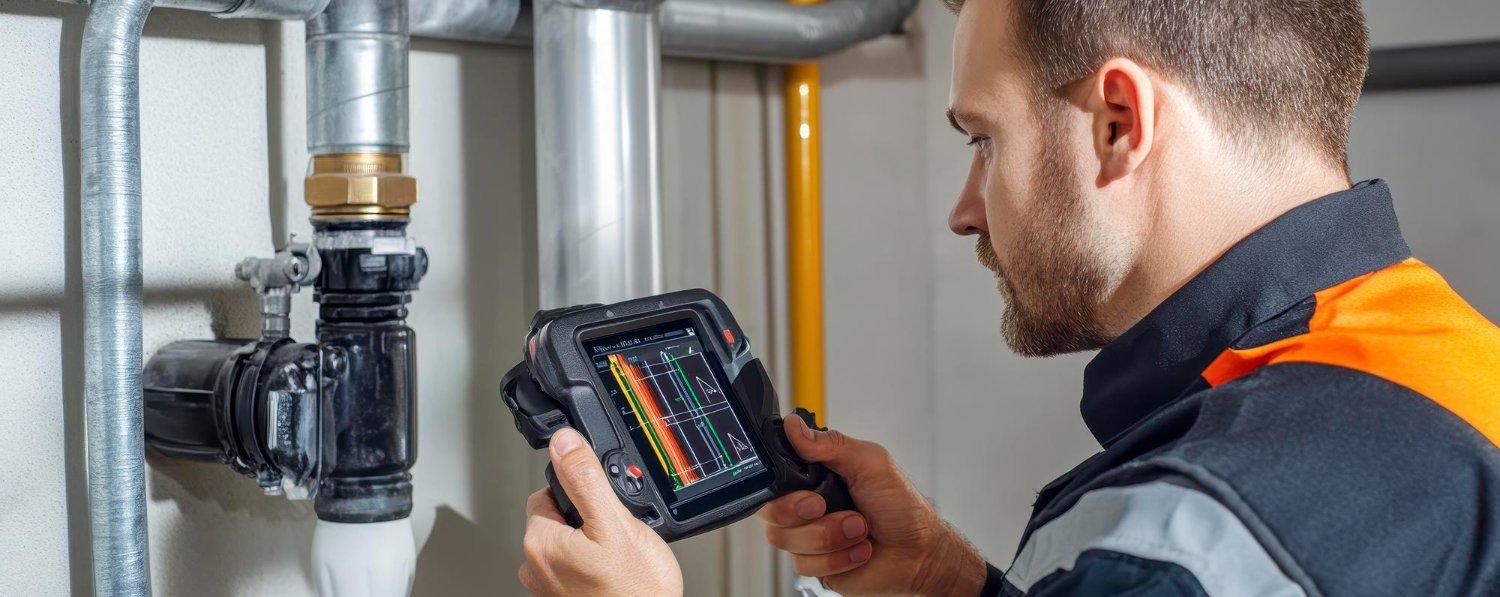
Water damage ranks among the most devastating and expensive disasters homeowners face, with the average insurance claim exceeding $10,000. Installing the best water leak detection system can prevent catastrophic damage by alerting you the moment moisture appears where it shouldn’t. These intelligent devices have evolved from simple alarms to sophisticated smart home systems that monitor your entire plumbing network and automatically shut off the water supply when problems arise.
Modern water leak detection technology combines sensors, Wi-Fi connectivity, and artificial intelligence to protect your property 24/7. Whether you’re looking for affordable sensor pucks to place near appliances or comprehensive whole-home monitoring systems, understanding your options helps you choose the best water leak detection system for your specific needs and budget.
Why Every Homeowner Needs Water Leak Detection
Water leaks often develop silently behind walls, under floors, or in crawl spaces where they remain undetected for weeks or months. By the time visible damage appears, mold growth, structural deterioration, and ruined belongings have already occurred. The best water leak detection system provides early warning that allows you to address problems immediately, potentially saving thousands in repair costs.nytimes
Beyond preventing catastrophic failures, these systems help identify slow drips and hidden leaks that waste water and increase utility bills. Many homeowners discover they’re losing hundreds of gallons monthly through toilet flappers, dripping faucets, or compromised supply lines. Smart monitoring systems track consumption patterns and alert you to unusual usage that indicates problems.techhive
Insurance companies increasingly recognize the value of leak detection, with some providers offering premium discounts for homes equipped with monitoring systems. These devices demonstrate proactive risk management that reduces claim likelihood, making them attractive to underwriters.travelers
Types of Water Leak Detection Systems
Point-of-Leak Sensors
Point-of-leak sensors represent the most affordable entry into water monitoring technology. These compact devices sit on floors near potential leak sources like water heaters, washing machines, dishwashers, sinks, and toilets. When moisture contacts the sensor, it triggers loud alarms and sends smartphone notifications.nytimes
The best water leak detection system in this category features both audible alerts exceeding 80 decibels and reliable app notifications. Battery-powered models offer placement flexibility without outlet constraints, though you must monitor battery levels. Some advanced sensors include temperature and humidity monitoring to detect environmental conditions that promote mold growth or indicate HVAC problems.techhive+1
Cable-style sensors extend coverage by running detection cables along baseboards, under appliances, or through utility rooms. These prove particularly valuable in larger spaces where multiple leak points exist. The D-Link DCH-S1621KT combines a sensor puck with a 19-inch sensing cable for comprehensive coverage.nytimes
Flow-Based Whole-Home Systems
Flow-based systems install directly into your main water supply line, monitoring every drop that enters your home. These sophisticated devices learn your household’s normal consumption patterns through machine learning algorithms, establishing baselines for typical usage. When consumption deviates from established patterns—indicating potential leaks—the system alerts you immediately.pcmag+1
The best water leak detection system with flow monitoring performs automatic daily integrity checks of your plumbing network, pressurizing lines to detect micro-leaks before they become major problems. The Flo by Moen Smart Water Shutoff excels in this category, offering professional-grade monitoring with automatic shutoff capabilities.consumerreports+1
These systems provide detailed consumption analytics, showing water usage by hour, day, or month. This granular data helps identify inefficient fixtures, unusual patterns, or gradual increases that suggest developing leaks. Installation typically requires professional plumbing work, adding to initial costs.techhive
Meter-Based Monitoring Systems
Meter-based monitors offer whole-home leak detection without plumbing modifications. The Flume 2 Smart Home Water Monitor exemplifies this approach, using a sensor that clamps onto your existing municipal water meter. It reads meter data wirelessly and transmits information to your smartphone for analysis.techhive
This DIY-friendly option costs significantly less than flow-based systems while still providing comprehensive monitoring. However, meter-based systems cannot automatically shut off water supply—they only alert you to problems. For homeowners comfortable with professional installation, flow-based systems with shutoff capabilities provide superior protection.techhive
Key Features of the Best Water Leak Detection System
Response Time and Sensitivity
The best water leak detection system detects moisture within seconds of contact, minimizing damage potential. Systems with response times under one second provide the fastest protection, immediately triggering alarms and notifications. Adjustable sensitivity settings help reduce false alarms from condensation or high humidity while maintaining reliable leak detection.nytimes
Top-mounted probes detect dripping water from above, while bottom-mounted sensors catch pooling water on floors. Dual-probe designs like the YoLink Water Leak Sensor 4 offer comprehensive coverage for various leak scenarios.nytimes
Smart Home Integration
Modern leak detectors integrate with popular smart home ecosystems including Amazon Alexa, Google Assistant, Apple HomeKit, and IFTTT. This connectivity enables automated responses like turning off water heaters, shutting main valves, or triggering additional alerts through other smart devices.nytimes+1
The best water leak detection system works with your existing smart home infrastructure rather than requiring proprietary hubs or complicated setup. Direct Wi-Fi connectivity simplifies installation, though some systems use proprietary hubs that extend wireless range and improve reliability in larger homes.nytimes
Automatic Water Shutoff
Premium systems include automatic shutoff valves that stop water flow the instant leaks are detected. This feature proves invaluable when you’re away from home or unable to respond immediately to alerts. Reddit users report these systems preventing catastrophic damage, with one homeowner noting their Phyn Plus shut off water automatically before they could even check their phone after a pipe burst.reddit+2
Automatic shutoff represents the gold standard in leak protection, though it requires professional installation and costs considerably more than sensor-only systems. For maximum security, especially in vacation homes or rental properties, the investment proves worthwhile.consumerreports
Mobile Alerts and Monitoring
Smartphone notifications ensure you receive leak alerts regardless of location. The best water leak detection system sends push notifications, emails, and text messages to multiple household members, ensuring someone always receives critical alerts. App interfaces should display current status, battery levels, and historical data in intuitive dashboards.nytimes
Advanced systems track water consumption patterns, providing insights into usage trends and potential efficiency improvements. This data helps identify wasteful habits, optimize irrigation schedules, and verify that conservation efforts produce measurable results.techhive
Comparing Top Water Leak Detection Systems
| System | Type | Response Time | Smart Home Integration | Auto Shutoff | Installation |
|---|---|---|---|---|---|
| D-Link DCH-S1621KT | Point Sensor + Cable | Under 1 second | Google Home, IFTTT | No | DIY |
| YoLink Water Leak Sensor 4 | Point Sensor | Fast | Alexa, IFTTT | No | DIY |
| Flo by Moen | Flow Monitor | Real-time | Alexa, Google, IFTTT | Yes | Professional |
| Phyn Plus (2nd Gen) | Flow Monitor | Real-time | Alexa, Google, IFTTT | Yes | Professional |
| Moen Smart Leak Detector | Point Sensor | Near-instant | Works with Flo system | Via Flo integration | DIY |
| Flume 2 | Meter Monitor | Real-time | Alexa, Google | No | DIY |
| Guardian by Elexa | Valve Clamp + Sensors | Fast | Limited | Yes | DIY |
Best Water Leak Detection System for Different Needs
Best Overall Protection
The Flo by Moen Smart Water Shutoff delivers comprehensive leak protection with automatic shutoff capabilities and daily plumbing inspections. This professional-grade system monitors your entire water supply, detecting both catastrophic failures and slow drips that waste resources. Consumer Reports rates it as the top performer for whole-home protection.pcmag+1
Installation requires a licensed plumber to integrate the unit into your main water line, but the investment provides unmatched security. The system learns your household’s unique consumption patterns and performs automatic pressure tests to identify compromised pipes before they fail completely.pcmag
Best Budget Option
The YoLink Water Leak Sensor 4 provides reliable detection at an affordable price point. Its dual-probe design catches both dripping and pooling water, while smart home integration enables automated responses. Though it requires purchasing a separate YoLink hub, the combined cost remains significantly lower than premium systems.nytimes
For homeowners on tight budgets, strategically placing multiple YoLink sensors near high-risk areas like water heaters, washing machines, and under sinks provides excellent protection. The best water leak detection system for budget-conscious homeowners combines affordability with reliable performance and smart connectivity.
Best for Renters
The Guardian by Elexa Leak Prevention System offers automatic shutoff without permanent plumbing modifications. Its unique valve-clamp design attaches to existing water valves rather than requiring splicing into supply lines, making it ideal for rental properties. The system includes three wireless leak detectors with both top and bottom probes plus wire probes for hard-to-reach areas.consumerreports
This DIY-friendly approach provides comprehensive protection that you can take with you when moving, representing the best water leak detection system for temporary living situations.
Best for Tech Enthusiasts
The Phyn Plus Smart Water Assistant excels in smart home integration, working seamlessly with Amazon Alexa, Google Assistant, and IFTTT. It provides detailed consumption analytics through an intuitive app interface and pairs with optional Phyn Smart Water Sensors for enhanced coverage. Advanced machine learning algorithms continuously refine leak detection accuracy by analyzing millions of water usage data points.techhive
Tech-savvy homeowners appreciate the granular control and extensive automation possibilities this system enables. Combined with other smart home devices, it creates sophisticated water management scenarios that optimize consumption while maximizing protection.
Installation Considerations
Professional vs. DIY Installation
Flow-based systems like the Flo by Moen and Phyn Plus require professional installation, adding several hundred dollars to initial costs. Licensed plumbers must cut into your main water line, install the monitoring unit, and verify proper operation. This investment ensures correct installation and maintains warranty coverage.pcmag+1
Point-of-leak sensors and meter-based monitors offer straightforward DIY installation. Most require only placing sensors near potential leak sources and connecting devices to your Wi-Fi network through smartphone apps. Battery-powered sensors need no electrical work, while plug-in models require nearby outlets.techhive+1
The best water leak detection system for your situation depends partly on your comfort level with installation complexity and willingness to invest in professional services.
Location Strategy for Sensor Placement
Effective leak detection requires strategic sensor placement near the most likely failure points. Water heaters represent the highest risk, as tank failures release dozens of gallons rapidly. Position sensors directly beneath tanks and along discharge lines.nytimes
Washing machines and dishwashers develop supply line leaks and drain failures over time. Place sensors behind or beneath these appliances where leaks would first pool. Kitchen and bathroom sinks benefit from under-cabinet sensors that catch supply line drips or disposal leaks before they damage cabinetry.
Basement sump pumps, water softeners, HVAC condensate lines, and hot water baseboard heating systems all present leak risks. The best water leak detection system strategy involves assessing your home’s unique vulnerabilities and prioritizing sensor placement accordingly.nytimes
Maintaining Your Water Leak Detection System
Regular testing ensures your sensors function properly when needed. Most systems include test modes that simulate leaks to verify alarm operation and notification delivery. Conduct monthly tests to confirm sensors remain operational and batteries maintain adequate charge.nytimes
Battery-powered sensors typically operate for one to three years on a single battery, depending on model and usage. The best water leak detection system maintenance routine includes checking battery levels through smartphone apps and replacing batteries proactively before they fail. Some systems send low-battery alerts automatically.nytimes
Flow-based monitors require minimal maintenance beyond occasional firmware updates that improve detection algorithms and add features. These updates download automatically when devices connect to Wi-Fi, ensuring you always benefit from the latest improvements.pcmag
Clean sensor probes periodically to remove dust, debris, or mineral deposits that might interfere with moisture detection. A soft cloth dampened with water suffices for most cleaning needs—avoid harsh chemicals that might damage sensor elements.
Integration with Home Automation
The best water leak detection system works seamlessly within broader home automation ecosystems, triggering coordinated responses when leaks occur. Through IFTTT applets or native integrations, you can program automatic actions like shutting off water heaters, turning on lights to indicate problems, sending notifications to multiple family members, or activating security cameras to document damage.techhive+1
Some homeowners integrate leak detectors with smart thermostats to prevent freezing pipes during winter travel. When temperatures drop below set thresholds, systems can send alerts and maintain minimum heat levels that protect plumbing. Advanced automation combines leak sensors with smart shutoff valves separate from the main line, allowing selective isolation of problem areas while maintaining water supply to unaffected parts of the home.
Voice assistant integration enables status checks through simple commands. Asking “Alexa, is there a water leak?” provides instant updates without opening smartphone apps. This convenience proves valuable when you’re occupied or unable to check devices manually.
Long-Term Value and Insurance Considerations
Installing the best water leak detection system provides long-term value beyond immediate leak prevention. Some insurance carriers offer premium discounts ranging from five to fifteen percent for homes equipped with monitoring systems. These savings accumulate significantly over years of coverage, potentially offsetting system costs.travelers
Documentation of proactive water management may also expedite claims processing and increase settlement amounts should damage occur despite monitoring systems. Insurance adjusters recognize that homeowners who invest in prevention technology likely maintain their properties more carefully overall.
Property value increases when homes include smart water protection systems. Home buyers increasingly expect modern conveniences and protective technologies, viewing leak detection as essential infrastructure rather than luxury upgrades. Real estate listings that highlight comprehensive water monitoring attract more interest and support higher asking prices.
The best water leak detection system pays for itself through prevented damage, reduced insurance premiums, lower water bills from identified waste, and increased property values. This combination of benefits makes leak detection one of the most cost-effective home improvements available.
Choosing the Right System for Your Home
Assess your specific needs before selecting the best water leak detection system for your situation. Homes with finished basements, multiple bathrooms, or valuable possessions on lower levels face greater potential damage and justify more comprehensive protection. Vacation properties or homes where occupants travel frequently benefit enormously from automatic shutoff capabilities that function without human intervention.reddit
Budget considerations naturally influence decisions, but remember that the best water leak detection system investment pales compared to typical water damage repair costs. Starting with basic point-of-leak sensors near high-risk areas provides significant protection while you save for more comprehensive systems. Many homeowners adopt a phased approach, initially installing sensors and later upgrading to whole-home monitoring with automatic shutoff.
Consider your existing smart home infrastructure when evaluating compatibility. Systems that integrate with your current ecosystem provide better value and simpler operation than those requiring new hubs or separate apps. The best water leak detection system works within your established technology framework rather than complicating it.
Read recent user reviews and expert testing results before making final decisions. Technology evolves rapidly, with new features and improved reliability appearing regularly. Recent reviews reflect current performance rather than outdated information that may no longer apply.
FAQ
What is the best water leak detection system for whole-home protection?
The Flo by Moen Smart Water Shutoff provides the most comprehensive whole-home protection with automatic shutoff capabilities and daily plumbing inspections. It monitors your entire water supply and learns normal consumption patterns to detect both catastrophic failures and slow leaks throughout your plumbing network.consumerreports+1
How much does the best water leak detection system cost?
Costs range from affordable point sensors starting around twenty dollars to premium whole-home systems that require professional installation. Flow-based monitors with automatic shutoff represent the highest investment but provide the most comprehensive protection. Budget-conscious homeowners can achieve excellent results by strategically placing multiple point sensors near high-risk areas.pcmag+1
Can I install a water leak detection system myself?
Point-of-leak sensors and meter-based monitors offer straightforward DIY installation requiring only sensor placement and Wi-Fi connection. Flow-based systems like the Flo by Moen and Phyn Plus require professional plumbing installation. The Guardian by Elexa provides a DIY-friendly middle ground with automatic shutoff through valve clamps rather than permanent plumbing modifications.consumerreports+3
Do water leak detection systems work with smart home platforms?
Most modern systems integrate with popular platforms including Amazon Alexa, Google Assistant, Apple HomeKit, and IFTTT. This connectivity enables automated responses, voice commands, and coordination with other smart devices. Check specific compatibility before purchasing to ensure systems work with your existing infrastructure.techhive+1
How sensitive are the best water leak detection systems?
Top-performing systems detect moisture within one second of contact, providing rapid alerts that minimize damage potential. Adjustable sensitivity settings help reduce false alarms from condensation while maintaining reliable leak detection. The best models feature both top-mounted probes for dripping water and bottom sensors for pooling water.nytimes
Will insurance companies reduce premiums for leak detection systems?
Many insurance carriers offer premium discounts ranging from five to fifteen percent for homes equipped with water monitoring systems. These devices demonstrate proactive risk management that reduces claim likelihood. Contact your insurance provider to inquire about available discounts and documentation requirements.travelers
What’s the difference between flow-based and point-of-leak systems?
Flow-based systems install into your main water line and monitor your entire plumbing network, detecting both major failures and slow drips anywhere in your home. Point-of-leak sensors sit on floors near specific appliances and detect moisture only at their placement location. Flow-based systems provide more comprehensive protection but cost significantly more and require professional installation.pcmag+1
How often should I test my water leak detection system?
Conduct monthly tests to verify sensor operation, alarm functionality, and notification delivery. Most systems include test modes that simulate leaks without requiring actual water. Regular testing ensures the system will function properly when real leaks occur and allows you to identify battery or connectivity issues before they prevent alerts.nytimes