Technology continues to evolve at a remarkable pace, and the smart home industry is leading the transformation. As homes become more connected, efficient, and secure, the latest innovations in smart home gadgets 2026 are setting new standards for comfort and convenience. From AI-powered cleaning systems to advanced security devices, these gadgets are redefining how we interact with our living spaces. If you’re considering upgrading your home, this guide explores the most essential smart gadgets shaping the future of modern living.
1. Smart Video Doorbells: The Foundation of Modern Home Security
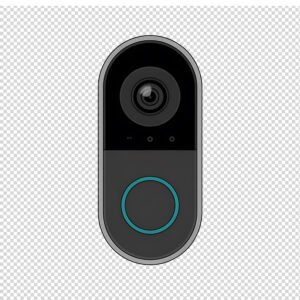
Smart video doorbells remain one of the most practical and popular smart home devices. The 2026 models now include upgraded sensors, clearer HDR video, and smarter detection powered by AI. With the ability to view live footage, speak to visitors, and receive instant alerts, homeowners gain peace of mind wherever they are.
Why They Matter in 2026
- Ultra-wide 3D motion detection
- Face and package recognition
- Color night vision for improved clarity
- Integration with Alexa, Google, and HomeKit
Smart video doorbells continue to be the first device homeowners choose when upgrading, making them a must-have smart home gadget for 2026.
2. Robot Vacuum & Mop Systems: Smarter, Faster, Cleaner
Robot vacuums have progressed far beyond simple floor sweepers. New 2026 models use advanced AI vision to detect obstacles, map your home with precision, and adapt their cleaning patterns in real time. Many are now designed as 2-in-1 systems, allowing them to vacuum and mop simultaneously.
Top Advantages
- Self-emptying stations for low maintenance
- Smart scheduling that adapts to your routine
- Stronger suction and deeper floor cleaning
- Automatically avoids cords, rugs, and pet waste
These new features make robot vacuums one of the most time-saving smart home gadgets available today.
3. Smart Thermostats: Intelligent Climate Control
Smart thermostats are known for reducing energy bills, but the 2026 versions do even more. By learning your daily habits, monitoring air quality, and adjusting temperature automatically, they create a more comfortable and energy-efficient home.
Why They’re Important
- Real-time indoor air quality readings
- Predictive heating and cooling
- Voice and app control from anywhere
- Energy reports that help reduce utility costs
With rising energy prices, smart thermostats are becoming essential for sustainable living.
4. Smart Plugs: Affordable Automation for Every Room
Smart plugs remain one of the easiest and most affordable ways to introduce automation into your home. By connecting them to your Wi-Fi network, you can instantly convert normal appliances into smart devices.
Benefits of Smart Plugs
- Control devices with your phone or voice
- Set timers for lights, fans, and small appliances
- Improve home safety by scheduling lights while away
- Save energy by powering off idle devices
These tiny gadgets deliver tremendous value for beginners building their smart home ecosystem.
5. Smart Air Purifiers: Cleaner Air, Smarter Technology
Air quality awareness has grown in recent years, making smart air purifiers one of the most important smart home gadgets 2026 brings to households. These purifiers now include advanced sensors that monitor air conditions and adjust filtration automatically.
Key Features
- HEPA filtration for allergens and pollutants
- App-based air monitoring
- Quiet sleep mode for bedrooms
- Larger coverage for open living spaces
Smart air purifiers are ideal for homes affected by dust, smoke, pets, or allergies.
6. Smart Lighting: Customizable Comfort & Ambience
Smart lighting systems offer endless ways to personalize your home. From setting the perfect mood for movie night to automating lights for energy savings, smart bulbs deliver both style and functionality.
Why Smart Lighting Stands Out
- Millions of color combinations
- Adjustable brightness and pre-set scenes
- Automated lighting routines
- Control via phone or smart assistant
Smart lighting continues to be one of the most affordable ways to modernize any home.
7.The Ultimate Protection: Smart Home Security Systems
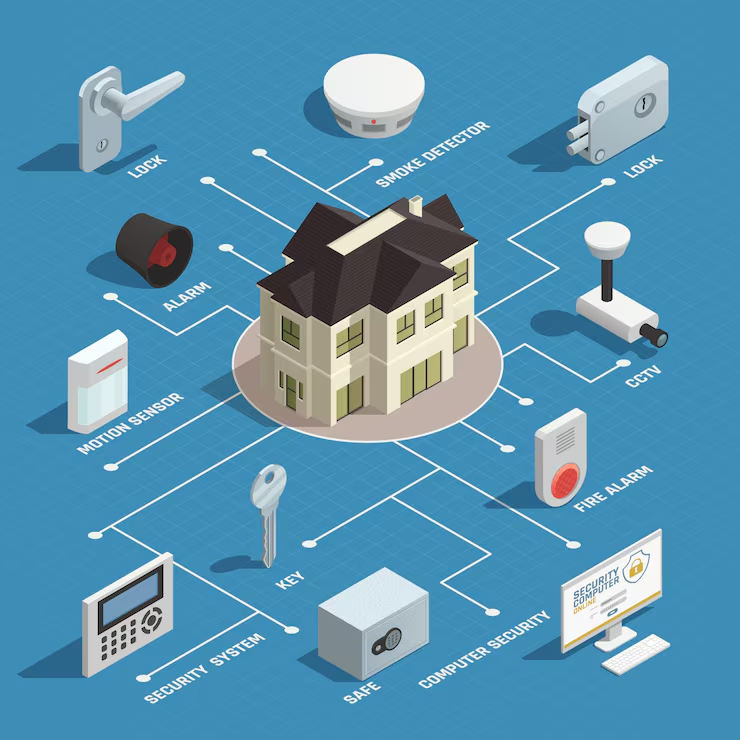
Modern smart home security systems now include everything from motion sensors to 24/7 monitoring — all accessible through a smartphone app. They are easy to install and integrate with other smart devices.
What’s New smart home gadgets 2026
- Advanced entry sensors
- Built-in Wi-Fi hubs for greater coverage
- Battery backup systems
- Mobile alerts with faster AI threat detection
For families who want enhanced safety, smart security systems are essential smart home gadgets 2026 homeowners should consider. As the demand for smart home gadgets 2026 continues to rise, homeowners are looking for technologies that offer better security, energy efficiency, and everyday convenience.
8. Smart Kitchen Appliances: Convenience Through Automation
The kitchen is becoming one of the smartest places in the home. Devices like Wi-Fi coffee makers, smart ovens, and app-controlled air fryers are designed to make your cooking routine smoother and more enjoyable.
Why They’re Useful
- Automatic brew scheduling
- Remote temperature adjustments
- Voice-activated cooking timers
- Real-time food progress alerts
These appliances save time and boost productivity, making daily tasks effortless.
The smart home revolution continues to accelerate, transforming how we interact with our living spaces. As we move through 2026, artificial intelligence, energy efficiency, and seamless connectivity have become the cornerstones of modern home automation. These innovations aren’t just about convenience anymore—they’re reshaping our relationship with home security, energy consumption, and daily comfort.
The Evolution of Smart Home Technology
Smart home technology has evolved dramatically from simple voice-activated lights to sophisticated ecosystems that anticipate our needs. Today’s devices leverage machine learning to understand household patterns, adapt to user preferences, and communicate with each other to create truly intelligent environments. The integration of Matter protocol has finally solved compatibility issues, allowing devices from different manufacturers to work together seamlessly.
AI-Powered Home Assistants with Contextual Understanding
The latest generation of smart assistants goes beyond simple voice commands. These AI-powered systems now understand context, recognize different household members by voice, and can manage complex multi-step routines. They proactively suggest energy-saving measures, remind you of appointments based on calendar integration, and even detect unusual patterns that might indicate security concerns or maintenance needs.
Advanced Climate Control Systems
Smart thermostats have evolved into comprehensive climate management systems that control temperature, humidity, and air quality simultaneously. These devices use occupancy sensors, weather forecasts, and learning algorithms to optimize comfort while reducing energy consumption by up to 30%. Some models now integrate with health monitoring systems to adjust air quality for family members with respiratory conditions.
Next-Generation Security Ecosystems
Modern security systems combine AI-powered cameras with advanced facial recognition, package detection, and behavioral analysis. These systems can distinguish between family members, regular visitors, delivery personnel, and potential threats. Integration with smart locks, video doorbells, and lighting creates comprehensive security solutions that adapt to your schedule and alert you only when necessary.
Energy Management and Solar Integration
Smart energy monitors now provide real-time insights into consumption patterns and can automatically shift usage to off-peak hours. When paired with home battery systems and solar panels, these devices optimize energy storage and distribution, significantly reducing utility bills. Some systems can even sell excess energy back to the grid during peak demand periods.
Intelligent Kitchen Appliances
The kitchen has become a hub of innovation, with smart refrigerators that track expiration dates, suggest recipes based on available ingredients, and automatically create shopping lists. Smart ovens with internal cameras and AI recognition can identify dishes and adjust cooking parameters automatically. Connected coffee makers, slow cookers, and dishwashers all contribute to a more efficient and enjoyable cooking experience.
Automated Lighting and Ambiance Control
Modern smart lighting systems do more than change colors—they adjust throughout the day to support your circadian rhythm, enhance focus during work hours, and create relaxing environments in the evening. Integration with entertainment systems creates immersive experiences for movies and gaming, while security modes can simulate occupancy when you’re away.
Health and Wellness Monitoring
Smart home technology now includes health monitoring capabilities, from air quality sensors that detect allergens and pollutants to sleep tracking systems integrated into mattresses and bedroom environments. Smart mirrors can analyze skin health, track fitness goals, and even detect early signs of health issues by monitoring subtle changes over time.
Water Conservation and Management
Intelligent irrigation systems use weather data and soil moisture sensors to optimize watering schedules, reducing water waste by up to 50%. Smart leak detectors can identify problems before they cause significant damage, automatically shutting off water supply and alerting you to issues. Some systems even monitor water quality and filter performance.
The Role of 5G and Edge Computing
The widespread adoption of 5G networks and edge computing has eliminated latency issues that plagued earlier smart home systems. Devices now respond instantaneously to commands and can process data locally for enhanced privacy and reliability. This infrastructure supports more sophisticated automation and enables real-time coordination between devices.
Privacy and Security Considerations
As homes become smarter, protecting personal data has become paramount. Leading manufacturers now implement end-to-end encryption, local processing options, and transparent data policies. Users have granular control over what information is collected and shared, with many devices offering privacy modes that disable cameras and microphones when desired.
Cost-Benefit Analysis and ROI
While initial investment in smart home technology can be substantial, most homeowners see returns through reduced energy bills, lower insurance premiums, and increased property values. Energy management systems alone can pay for themselves within 2-3 years, while security systems may qualify you for insurance discounts of 10-20%.
Integration and Ecosystem Compatibility
The Matter standard has revolutionized device compatibility, but choosing products within established ecosystems like Apple HomeKit, Google Home, or Amazon Alexa still offers advantages in terms of seamless integration and advanced features. The key is selecting devices that align with your primary platform while maintaining flexibility for future additions.
Future Trends on the Horizon
Looking ahead, we can expect even greater integration of augmented reality for home management, holographic interfaces for device control, and predictive maintenance systems that schedule repairs before equipment fails. The convergence of smart home technology with electric vehicles and renewable energy will create truly sustainable living environments.affordable Smart Home Gadgets
Smart Home Gadgets are designed to make everyday living easier by combining convenience, automation, and control in one connected ecosystem. From smart plugs and lighting systems to advanced security cameras and thermostats, these devices allow homeowners to manage their homes remotely using a smartphone or voice assistant. As Smart Home Gadgets continue to evolve, they are becoming more affordable, user-friendly, and compatible with popular platforms, making them a practical upgrade for modern households.