

I used to think a smart home ecosystem was just a fancy way to turn lights on with my voice. I was wrong. A real Smart home ecosystem changes how a home feels, how it works, and honestly, how much friction I deal with every day.
If you’re considering upgrading your home, I get it. It’s exciting. It’s also confusing. There are too many devices, too many apps, and too many brands promising a seamless setup. I’ve been there. That’s exactly why I put this guide together. I want to help you build a Smart home ecosystem that feels useful, simple, and worth it.
Smart Home Ecosystem
A Smart home ecosystem is not just a pile of gadgets.
It’s the way your devices talk to each other. It’s the connection between your lights, thermostat, doorbell, cameras, locks, speakers, and routines. When it works well, a Smart home ecosystem saves time, reduces stress, and makes daily life smoother.
I look at it like this: one smart bulb is a product. A Smart home ecosystem is a system.
That difference matters.
When I walk into a house that has random devices from different brands with no real structure, I notice it fast. One app controls the lights. Another controls the cameras. A third controls the thermostat. That setup gets annoying. Fast.
A good Smart home ecosystem brings everything together so your home responds the way you want.
What Makes a Smart Home Ecosystem Feel Complete
When I think about a complete Smart home ecosystem, I focus on these core pieces:
Lighting
Climate control
Security
Entertainment
Voice control
Automation
Device compatibility
If one area is missing, the experience can still be good. But when all of them work together, that’s when a Smart home ecosystem starts to feel powerful.
Lighting Sets the Tone
Smart lighting is usually where I tell people to start. It’s easy to understand, easy to use, and the payoff is immediate.
You can dim lights from your phone. You can set schedules. You can create scenes for movie night, dinner, early mornings, or bedtime. Better yet, lighting often becomes the first “aha” moment in a Smart home ecosystem.
You stop thinking about the switch. You start thinking about the experience.
Climate Control Adds Everyday Comfort
A smart thermostat may not look exciting, but it can become one of the most practical parts of a Smart home ecosystem.
I love the idea of waking up to a comfortable room without touching a thing. I also like leaving the house and knowing the temperature can adjust automatically. That is the kind of quiet convenience that makes a home feel modern without feeling complicated.
Security Changes Peace of Mind
This one hits differently.
A video doorbell, smart lock, motion sensor, or security camera can make people feel more in control of their home. That matters. A Smart home ecosystem should not only make life easier. It should make life feel safer too.
And no, you do not need to turn your place into a control room.
Start simple. One camera. One smart lock. One door sensor. That can be enough.
Choosing the Right Smart Home Ecosystem
This is where people get stuck. I see it all the time.
They buy a cool gadget first and ask compatibility questions later. I wouldn’t do it that way. I’d choose the Smart home ecosystem first, then buy devices that fit inside it.
Here’s a simple comparison:
| Ecosystem | Best For | Strength | Possible Limitation |
|---|---|---|---|
| Amazon Alexa | Beginners and broad device support | Easy setup and wide compatibility | Can become messy with too many brands |
| Google Home | People who use Google services often | Clean voice commands and strong search integration | Some device support varies by brand |
| Apple Home | Apple users who value privacy | Smooth experience inside Apple devices | Fewer budget-friendly options |
| Samsung SmartThings | Users who want deeper automation | Great for advanced routines and mixed devices | Slight learning curve |
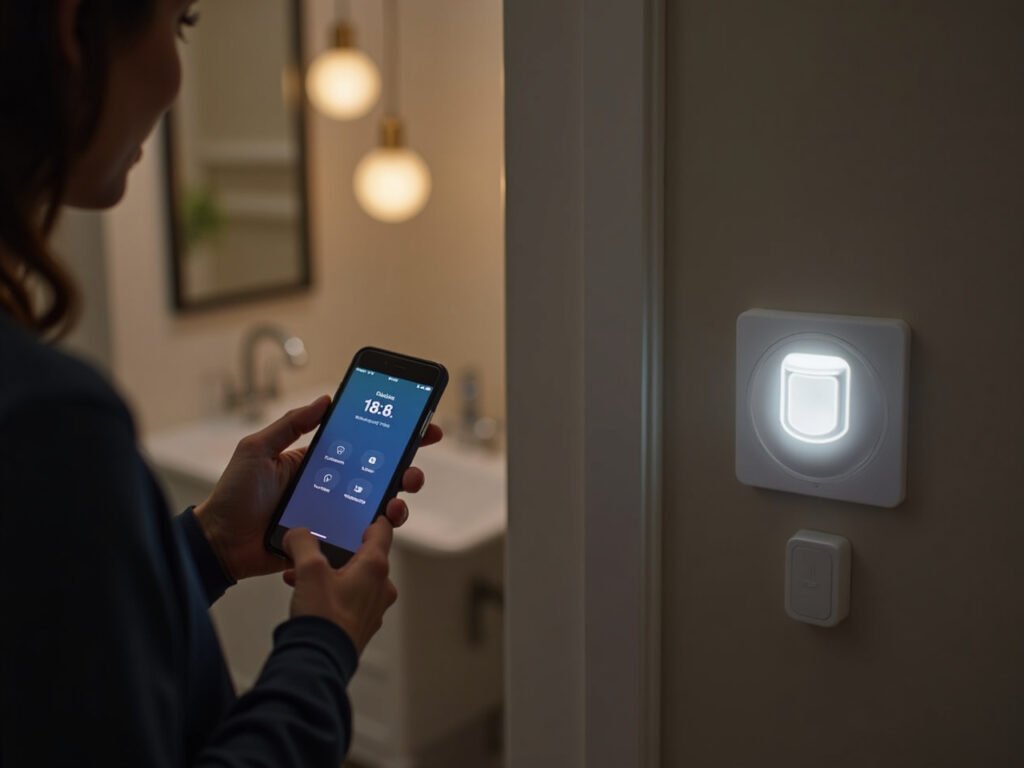
That answer usually points them in the right direction.
My Real-Life Example
Let me make this real.
When I first started building my own Smart home ecosystem, I made the classic mistake. I bought devices based on hype instead of compatibility. I had one smart plug from one brand, bulbs from another, a camera with its own app, and a speaker that only worked well with certain commands.
It was a mess.
I remember standing in my living room trying to turn off the lights with my voice, and only one lamp responded. The other stayed on like it was mocking me. Funny now. Not funny then.
So I reset.
I picked one main platform. Then I rebuilt my Smart home ecosystem room by room. Living room first. Bedroom next. Entryway after that. Once I did that, everything felt easier. My lights followed schedules. My doorbell alerts made sense. My routines actually worked.
That was the turning point.
The Best Way to Build a Smart Home Ecosystem
I wouldn’t try to do everything at once. That usually leads to wasted money and frustration.
I’d build a Smart home ecosystem in layers.
Step 1: Start With a Hub or Main Platform
This is the brain of your Smart home ecosystem. It could be a voice assistant, a smart display, or a central app that manages connected devices.
Without this anchor, things can get scattered.
Step 2: Add Smart Lighting
Lighting gives quick results. It also introduces you to scenes, schedules, and automation without much stress.
This is where a Smart home ecosystem starts to feel fun.
Step 3: Add Smart Plugs
Smart plugs are underrated. Seriously.
They can make ordinary lamps, coffee makers, fans, and small appliances part of your Smart home ecosystem without replacing everything you already own.
Step 4: Add Security Devices
This step adds practical value. A smart lock, video doorbell, or camera gives your Smart home ecosystem more depth and purpose.
Step 5: Create Routines
This is where the magic happens.
Instead of controlling devices one by one, your Smart home ecosystem begins acting like a team. One command can lock the door, turn off lights, and lower the thermostat. That is the whole point.
Common Mistakes I’d Avoid
I’ve seen people overspend because they confuse “more devices” with “better setup.” That’s not always true.
Here are mistakes I’d avoid:
Buying devices before choosing a main platform
Ignoring Wi-Fi strength
Mixing too many apps
Skipping automation
Forgetting about privacy settings
Starting too big
A Smart home ecosystem should reduce stress, not create new stress.
Features I’d Look For Before Buying
Not every device deserves a place in your Smart home ecosystem.
I usually look for these things first:
Easy compatibility with my chosen platform
Reliable mobile app
Strong user reviews
Simple setup
Automation support
Voice control
Security and privacy settings
Long-term brand support
I also pay attention to whether the product solves a real problem. That sounds obvious. But it’s easy to get distracted by gadgets that look cool and do very little.
Smart Home Ecosystem Ideas for Different Rooms
Every room has different needs. I think that’s where a lot of people overcomplicate things. They try to apply the same setup everywhere.
I wouldn’t.
Living Room
In the living room, I like smart bulbs, a smart speaker, and a streaming device. That creates comfort fast.
Kitchen
In the kitchen, smart plugs and voice control help the most. Timers, lights, and small appliances become easier to manage.
Bedroom
In the bedroom, I prefer softer automation. Lamps, blackout shade control, and bedtime routines fit naturally into a Smart home ecosystem.
Entryway
At the entryway, I’d focus on a smart lock, a video doorbell, and motion-based lighting.
That area carries a lot of practical value.
Why Compatibility Is Everything
Let me say this clearly: compatibility can make or break a Smart home ecosystem.
A device might look amazing on the box, but if it doesn’t work smoothly with the rest of your setup, it becomes clutter. I always check whether products support common smart home standards and major platforms before buying.
You can learn more about device compatibility and setup ideas from Google Home, Apple Home, Amazon Alexa, and the Connectivity Standards Alliance.
Those resources help cut through the marketing noise.
Is a Smart Home Ecosystem Worth It?
Yes, if you build it with intention.
No, if you buy random gadgets and expect them to magically work together.
That’s the truth.
A Smart home ecosystem is worth it when it fits your routines, your budget, and your actual lifestyle. I think the best setups are not the flashiest ones. They’re the ones that quietly make daily life easier.
That’s what I’d aim for.
FAQ
What is a Smart home ecosystem?
A Smart home ecosystem is a connected setup where devices like lights, locks, cameras, thermostats, and speakers work together through one main platform or app.
What should I buy first for a Smart home ecosystem?
I’d start with a smart speaker or display, smart bulbs, and smart plugs. Those devices are easy to set up and useful right away.
Which Smart home ecosystem is easiest for beginners?
Amazon Alexa and Google Home are often the easiest for beginners because they support many devices and usually have straightforward setup steps.
Do I need expensive devices to build a Smart home ecosystem?
No. I can build a useful Smart home ecosystem by starting small and adding devices over time. Smart plugs and bulbs are often enough to get started.
Can I mix brands in one Smart home ecosystem?
Yes, but only if the devices are compatible with your main platform. I always check compatibility first so I don’t end up with a messy setup.
Does a Smart home ecosystem need internet all the time?
Many features depend on internet access, especially remote control and voice commands. Some local automations may still work depending on the platform and devices.