As an Amazon Associate, we earn from qualifying purchases. If you buy through links on this page, we may earn a commission at no extra cost to you.
By Vimalanathan
About the author: Vimalanathan is the founder of Premium Home Gadgets. He researches specs, safety guidance, and independent reviews to help readers compare home gadgets without hype. Learn more on our About page.
Last checked: October 14, 2026. Prices, availability, and specs change frequently. Please verify the price and specs on the retailer page before buying.
How we picked: This guide is based on research synthesis, not hands-on testing. We compared official specs from manufacturer listings, checked independent reviews and safety guidance, and looked for consistent strengths and drawbacks across sources. Where we could not verify a claim, we say so. We do not present research-based picks as tested picks.
Smoke and Carbon Monoxide Detectors are one of those things most of us ignore until a chirp starts at 2 a.m. or we suddenly realize the unit in the hallway is older than the couch. I’ve learned the hard way that buying the right alarm is not about grabbing the cheapest plastic disc on a shelf. It’s about trust, placement, and whether the detector will actually warn you fast enough when it matters. Detectors are one part of a safer home — see our Home Safety guides for the rest. consumerreports
Why these detectors matter
A combo unit protects against two very different dangers in one device: visible smoke from fire and carbon monoxide, which you cannot see or smell. The NFPA guidance summarized by First Alert says smoke alarms belong on every level of the home, inside every bedroom, and outside each sleeping area, while carbon monoxide alarms should also be placed on every level and near attached garages. firstalert
The good news is that today’s Smoke and Carbon Monoxide Detectors are better than older models, especially newer alarms built around the tougher UL 217 8th edition requirements for smoke alarm performance. That update raised the bar for nuisance-alarm resistance and modern fire detection, which matters if you want fewer false alarms from cooking smoke and better response in real emergencies. resideo
That matters more than people think. A great detector with poor placement is still a weak safety plan, and even the best Smoke and Carbon Monoxide Detectors need regular testing and correct installation to do their job. kidde
How I picked the best ones
I focused on brands and models consistently mentioned by trusted testing and review sources, especially Consumer Reports, Wirecutter, and established manufacturers with clear standards information. Consumer Reports says top-performing combo detectors in its latest testing come from First Alert, Kidde, and Siterwell, while Wirecutter’s smart recommendations center on Google Nest Protect, Kidde Smart Smoke + Carbon Monoxide Alarm, and First Alert’s newer smart options. nytimes
I also paid attention to features that make daily life easier, not just emergency performance:
- Interconnect capability, so all alarms sound together. bcnv
- Voice alerts, which can reduce confusion during an alarm event. firstalert
- Smart app notifications for away-from-home alerts. target
- Battery backup or sealed 10-year battery designs for simpler maintenance. firstalert
Best smart Smoke and Carbon Monoxide Detectors
Smart models are for people who want phone alerts, self-check features, and easier status monitoring. They cost more, sure, but they add convenience that can genuinely help when you are not home. Wirecutter notes that smart alarms can notify your phone when smoke or carbon monoxide is detected, and it continues to recommend Nest Protect as the best choice for most people in that category. nytimes
Smart picks table
| Product | Best for | Standout features | Notes |
|---|---|---|---|
| Google Nest Protect | Premium smart-home users | Phone alerts, multiple sensors, humidity sensing, occupancy sensing, night-light features nytimes | Wirecutter says it remains the best smart choice for most people. nytimes |
| Kidde Smart Smoke + Carbon Monoxide Alarm | Value-focused smart buyers | Smart alerts and connected features at a lower cost than premium options nytimes | Wirecutter includes it as a strong pick among smart alarms. nytimes |
| First Alert SC5 Smart Smoke and Carbon Monoxide Alarm | People replacing Nest-style smart alarms | Sends alerts to your phone through the First Alert app and is marketed as compatible with Nest Protect replacement paths target | Useful if you want a modern app-connected alternative. target |
What I like here is choice. Some people want the sleek ecosystem feel. Others just want a detector that sends a clear alert to the phone and does not create drama every time bacon hits the pan. Fair enough. target
For more guidance on smart smoke alarms, Wirecutter’s review is a useful resource: smart smoke alarm picks. nytimes
Best traditional combo detectors
Not everyone needs Wi-Fi in the ceiling. Traditional combo alarms still make a lot of sense because they are simpler, often easier to replace in bulk, and usually less expensive than smart models. Consumer Reports says leading combo units come from First Alert, Kidde, and Siterwell. consumerreports
Traditional picks table
| Product/Brand | Best for | Standout features | Notes |
|---|---|---|---|
| First Alert combo alarms | Mainstream home replacement | Multiple battery, sealed-battery, and hardwired combo options; some with voice alerts and interconnect firstalert | Consumer Reports lists First Alert among top performers. consumerreports |
| Kidde combo alarms | Broad compatibility and value | Hardwired and battery-powered combination models; placement and install guidance are well documented kidde | Consumer Reports lists Kidde among top performers. consumerreports |
| Siterwell combo alarms | Budget-minded buyers comparing test results | Recognized by Consumer Reports among top-performing combo detectors consumerreports | Worth considering if you want another tested brand option. consumerreports |
| First Alert PC900V | Fewer false alarms and voice warning fans | Photoelectric smoke sensing, electrochemical CO sensor, voice prompts, nuisance-reduction claims firstalertstore | Good fit for people who want spoken alerts. firstalertstore |
| First Alert SMCO100V-AC Interconnect | Hardwired combo installs | Business Insider highlights it for combo smoke + CO detection with voice alerts and interconnect support businessinsider | Strong option for whole-home replacement projects. businessinsider |
This is the category I’d recommend for most households. You install them, test them, replace them on schedule, and move on with life. No app setup. No extra accounts. Just practical protection. Detectors work best alongside a monitored system — see our guide to the best professional home security system with cameras. firstalert
For general home safety guidance, the NFPA smoke alarm recommendations are worth bookmarking. nfpa
Best features to prioritize
Here’s where people get tripped up. They shop by brand name and forget the basics. The better move is to match the feature set to the home. kidde
Feature comparison
| Feature | Why it matters | Best fit |
|---|---|---|
| Interconnect | If one alarm detects danger, all linked alarms sound together. bcnv | Larger homes, multi-level homes |
| Voice alerts | A spoken warning can tell you whether it is smoke or CO and sometimes the location. firstalert | Families, upstairs bedrooms |
| Smart alerts | Phone notifications help when nobody is home. nytimes | Travelers, smart-home users |
| Photoelectric smoke sensing | Often preferred for smoldering fires and fewer nuisance alarms in some scenarios. firstalertstore | Hallways, bedroom areas |
| Sealed 10-year battery | Less maintenance, fewer battery swaps. firstalert | Busy households |
| Hardwired with backup battery | Stable power with backup during outages. businessinsider | Whole-home upgrades |
And yes, false alarms matter. A detector that cries wolf every week trains people to ignore it, which is the opposite of safety. UL says updated UL 217 standards were designed in part to address nuisance alarms from cooking-related sources and improve response to modern fire conditions. ul
For a plain-English explanation of the newer safety standard, this UL 217 overview is helpful. ul
Where to install them
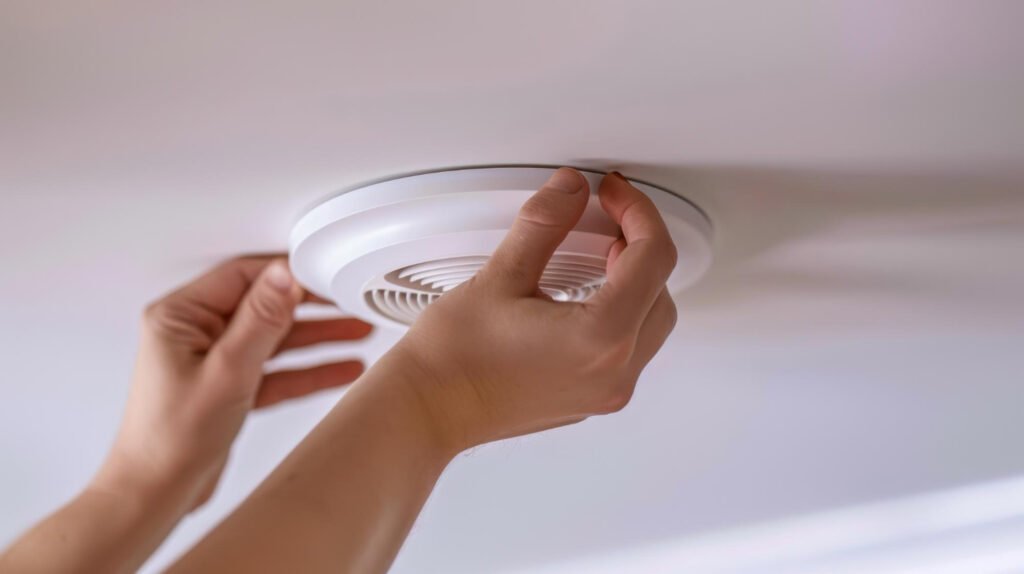
Even the best Smoke and Carbon Monoxide Detectors can disappoint if placed badly. First Alert’s summary of NFPA guidance says smoke alarms should be on every level, inside every bedroom, and outside each sleeping area, while CO alarms should also be installed on every level and near attached garages. firstalert
Kidde adds practical placement advice that I think is easy to follow:
- Put combo or CO alarms in or near bedrooms and living areas. kidde
- Keep them at least 5 to 15 feet from fuel-burning appliances. kidde
- Avoid dead air spaces, windows, doors, fans, vents, direct sunlight, and humid bathrooms. firstalert
The EPA also says each floor of the home needs a separate carbon monoxide detector, and if you use only one CO unit, it should be near sleeping areas. That lines up with the broader placement guidance above. epa
My practical shortlist
If I were shopping today and wanted the safest mix of convenience and credibility, this is how I’d narrow the field:
My picks by buyer type
| Buyer type | Pick | Why |
|---|---|---|
| Best premium smart option | Google Nest Protect | Strong smart features, rich sensor set, and top recommendation from Wirecutter. nytimes |
| Best value smart option | Kidde Smart Smoke + Carbon Monoxide Alarm | A more affordable connected choice from a trusted brand. nytimes |
| Best for standard home replacement | First Alert combo alarms | Broad lineup with voice, battery, hardwired, and interconnect options. firstalert |
| Best for whole-home hardwired upgrades | First Alert SMCO100V-AC Interconnect | Hardwired combo protection with interconnect and voice alerts. businessinsider |
| Best budget-tested alternative | Siterwell combo alarms | Included among top performers in Consumer Reports testing. consumerreports |
That lineup feels balanced to me. A little premium. A little practical. No weird gimmicks. Just Smoke and Carbon Monoxide Detectors that fit real homes and real people. consumerreports
FAQ
How many Smoke and Carbon Monoxide Detectors do I need?
You should have smoke alarms on every level of your home, inside every bedroom, and outside each sleeping area, and carbon monoxide alarms on every level plus near attached garages. In practice, that means most homes need several units, not one lonely detector in a hallway. nfpa
Are smart Smoke and Carbon Monoxide Detectors worth it?
They are worth it if you want phone alerts, easier monitoring, and stronger smart-home integration. They are not essential for everyone, but they add meaningful convenience when you travel, work long hours, or manage a larger house. target
Should I buy a combo unit or separate detectors?
A combo unit is simpler and saves space because it handles smoke and carbon monoxide in one device. Separate units can still work well, but for many homes, combination alarms are the cleaner solution. epa
What standard should I look for?
Look for alarms that meet UL 217 8th edition requirements for smoke alarm performance. That standard introduced tougher testing related to nuisance alarms and modern fire scenarios. resideo
How often should I test them?
First Alert says home smoke and carbon monoxide detectors should be tested at least once a month, and batteries in replac
eable-battery models should be changed regularly. Always follow the manufacturer’s instructions for your specific unit. firstalert
Related Guides
Browse all of our Home Safety guides for detectors, security, and safety essentials.
- Best professional home security system with cameras — monitored protection with cameras and backup.
- Best water leak detection system — catch leaks before they become major damage.
- Best air quality monitors and sensors — track pollutants and humidity inside your home.