
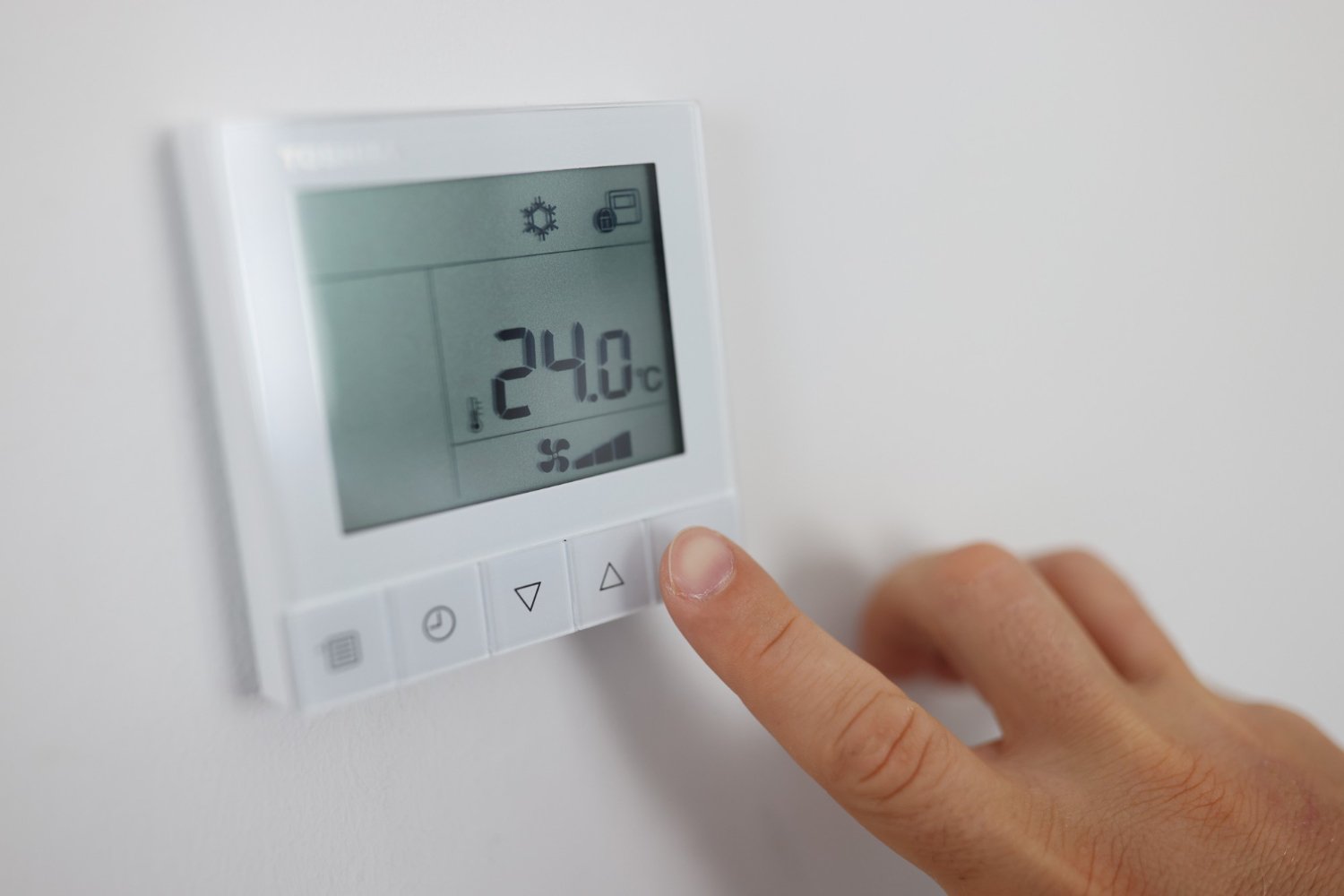
The best smart thermostats are one of the easiest ways to upgrade your home, cut energy waste, and make your daily life more comfortable and convenient. Smart thermostats give you app control, learning features, and automation that old manual or basic programmable models simply cannot match.
Why Best Smart Thermostats Matter
Best smart thermostats do more than change the temperature; they manage how, when, and why your heating and cooling system runs. With Wi‑Fi and app control, smart thermostats let you adjust settings from anywhere, check in while you travel, and keep your home comfortable without constant tinkering.
For homeowners planning an upgrade, best smart thermostats offer a rare combo: lower energy use, more comfort, and modern tech that feels good to live with. Instead of wondering if you left the heat on, smart thermostats let you confirm and correct it from your phone in seconds.
Understanding Heat Pump Thermostat Requirements
Heat pumps operate differently from traditional HVAC systems because they transfer heat rather than generate it. This fundamental difference means your thermostat needs special capabilities to manage both heating and cooling modes effectively. The most critical feature is reversing valve support, which controls the direction of refrigerant flow in your system.hvacknowitall
Most modern smart thermostats include an O/B terminal that manages this reversing valve. When the valve is energized through the O terminal, it switches to cooling mode, while the B terminal energizes it for heating. Your thermostat must match your heat pump’s specific configuration, or your system won’t operate correctly. Beyond valve control, heat pump thermostats need to manage auxiliary heat—the backup electric heating that kicks in during extreme cold.qwik
Auxiliary Heat Management Matters
One of the biggest frustrations homeowners face is unnecessary auxiliary heat activation. When you adjust your temperature setting by more than two degrees, many systems automatically engage expensive auxiliary heating to reach your target faster. Smart thermostats designed for heat pumps let you control when this backup heat activates, potentially saving hundreds on energy bills.thefurnaceoutlet
Advanced models use adaptive algorithms that learn your home’s thermal behavior and avoid triggering auxiliary heat unless absolutely necessary. This intelligent control helps your heat pump operate within its most efficient temperature range while maintaining comfort.trueblueac
Top Smart Thermostat Options for Heat Pumps
Three manufacturers dominate the smart thermostat market with models specifically engineered for heat pump compatibility: Ecobee, Google Nest, and Honeywell Home. Each brings unique strengths to managing heat pump systems.thefurnaceoutlet
Ecobee Smart Thermostat Premium
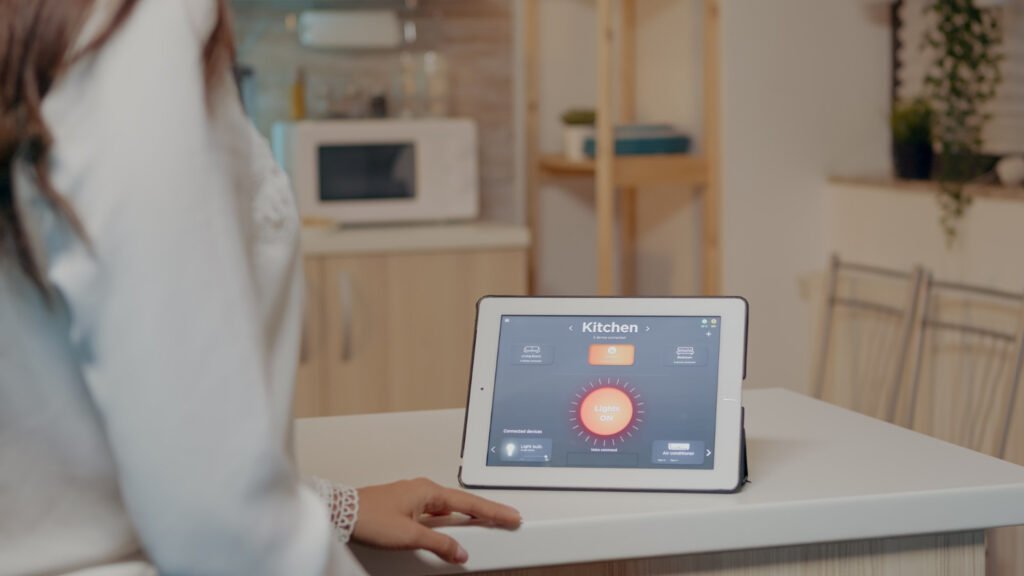
The Ecobee Premium stands out for its sophisticated heat pump logic and granular sensor inputs. Its Eco+ suite cross-references weather forecasts, electricity rates, and room-level temperature data to pre-condition your space during low-cost windows. Field testing on inverter heat pumps showed a 12% reduction in auxiliary heat usage compared to standard programmable thermostats.
This model includes an exceptional remote sensor that measures both temperature and occupancy, ensuring the rooms you actually use stay comfortable. The built-in smart speaker with voice control adds convenience, while the elegant glass and metal construction looks modern on any wall. Ecobee’s privacy policy and long-term tech support for older models demonstrate their commitment to customers.
Google Nest Learning Thermostat
The latest Nest generation finally adds full auxiliary-lockout granularity down to five-degree increments. This precision gives you much better control over when backup heating engages. The machine-learning engine now factors dew-point projection, not just dry-bulb temperature, when shaping heating curves—particularly helpful in humid climates or coastal areas.
Nest excels at learning your schedule and preferences without requiring manual programming. The thermostat works with most two-stage heat pumps and often operates without a C-wire, making retrofit installations simpler. If you want a system that handles the details automatically while still giving you smartphone control, Nest delivers solid performance.youtube
Honeywell Home T9
Unlike learning thermostats, the Honeywell T9 focuses on straightforward zoning through its Smart Room Sensors. These sensors report temperature, humidity, and motion every 10 seconds over a 200-foot range—perfect for larger homes with a single ducted heat pump. The Priority Room algorithm shifts your target temperature by up to two degrees to focus on the coldest zone, smoothing temperature stratification without motorized dampers.
The T9 supports up to 20 remote sensors and includes a C-wire adapter for easier installation. While it lacks some premium features of Ecobee or Nest, it provides excellent value for homeowners who want reliable remote sensors and geofencing at a reasonable investment.
Essential Features for Heat Pump Smart Thermostats
| Feature | Why It Matters | Best Option |
|---|---|---|
| Reversing Valve Support (O/B Terminal) | Controls heating/cooling mode switching daikinmea | Required in all models |
| Auxiliary Heat Control | Prevents unnecessary backup heat activation reddit | Ecobee Premium, Nest 4th Gen thefurnaceoutlet |
| Remote Sensors | Manages hot and cold spots across zones nassaunationalcable | Ecobee (32 sensors), Honeywell T9 (20 sensors) thefurnaceoutlet |
| Adaptive Learning | Optimizes schedules based on behavior daikinmea | Nest Learning, Ecobee Premium nytimes |
| Energy Monitoring | Tracks usage and identifies savings opportunities daikinmea | Ecobee Premium nassaunationalcable |
| Multi-Stage Compatibility | Works with advanced heat pump systems nassaunationalcable | All three brands thefurnaceoutlet |
Installation and Compatibility Considerations
Before purchasing any smart thermostat, verify it explicitly states heat pump compatibility. Most manufacturers provide online compatibility checkers that analyze your existing wiring. Take photos of your current thermostat wiring before removing it—this simple step prevents confusion during installation.daikinmea
The C-wire (common wire) provides continuous 24-volt power that digital thermostats need. Many modern homes already have this wire, but older installations might not. Honeywell includes a C-wire adapter with the T9, while Nest often works without one. If you’re uncertain about wiring or have a complex dual-fuel system, professional installation ensures proper setup and avoids warranty issues.
For homes with multi-zone HVAC systems, consider how many remote sensors you’ll need and whether the thermostat supports enough zones. Ecobee supports up to 32 sensors—the highest in the industry—while Honeywell supports 20. These sensors help balance temperature across your entire home, addressing those frustrating hot and cold rooms.
Smart Home Integration and Control
Modern smart thermostats integrate with popular voice assistants and home automation platforms. Ecobee includes Alexa built-in, eliminating the need for a separate speaker in that room. All three major brands work with Google Assistant, and most support Apple HomeKit for local control.nassaunationalcable
Smart home automation allows your thermostat to communicate with other devices. You can create routines where your thermostat adjusts when you lock your doors at night or trigger alerts when temperature or humidity reaches certain thresholds. Geofencing uses your smartphone location to automatically adjust temperature when you leave or approach home.nassaunationalcable
The best systems also provide detailed energy reports showing exactly when and how your heat pump operates. These insights help you understand usage patterns and make adjustments that further reduce costs. Some models even factor electricity rate variations into their algorithms, running your heat pump during cheaper rate periods when possible.nassaunationalcable
Frequently Asked Questions
Can smart thermostats control both heating and cooling with a heat pump?
Yes, smart thermostats manage both functions through the reversing valve in your heat pump system. The thermostat sends signals through the O or B terminal to switch refrigerant flow direction, seamlessly transitioning between heating and cooling modes.daikinmea
Will a smart thermostat work with an older heat pump system?
Many smart thermostats work with older heat pumps, but compatibility depends on specific wiring and control board capabilities. Check the manufacturer’s compatibility tool or consult an HVAC technician before purchasing to avoid issues.daikinmea
What’s the difference between auxiliary heat and emergency heat?
Auxiliary heat activates automatically when your heat pump can’t keep up with demand, while emergency heat is manually activated and completely bypasses the heat pump. Smart thermostats let you control when auxiliary heat engages, preventing unnecessary energy costs.jacksonsystems
Do I need remote sensors with my heat pump thermostat?
Remote sensors aren’t required but significantly improve comfort in homes with temperature variations between rooms. They help your system focus on the spaces you actually use rather than just the location where the thermostat is mounted.thefurnaceoutlet
Which smart thermostat is best for dual-fuel systems?
The Ecobee Premium handles temperature-based fuel switching and complex terminals best for dual-fuel configurations. It provides professional-grade control over when your system switches between heat pump and furnace operation.thefurnaceoutlet
How much can a smart thermostat save on heat pump energy costs?
Savings vary based on usage patterns and climate, but studies show reductions of 9-12% in auxiliary heat usage with properly configured smart thermostats. The adaptive learning and scheduling features help your heat pump operate within its most efficient temperature ranges.thefurnaceoutlet
Selecting the right smart thermostat for heat pump systems transforms your home comfort while reducing energy waste. Whether you choose Ecobee’s advanced sensors and air quality monitoring, Nest’s machine learning capabilities, or Honeywell’s straightforward zoning approach, ensure the model explicitly supports heat pump operation with proper reversing valve and auxiliary heat controls. For more guidance on optimizing your home heating efficiency, consider how your entire HVAC system works together to create the comfortable, energy-efficient home you deserve.