
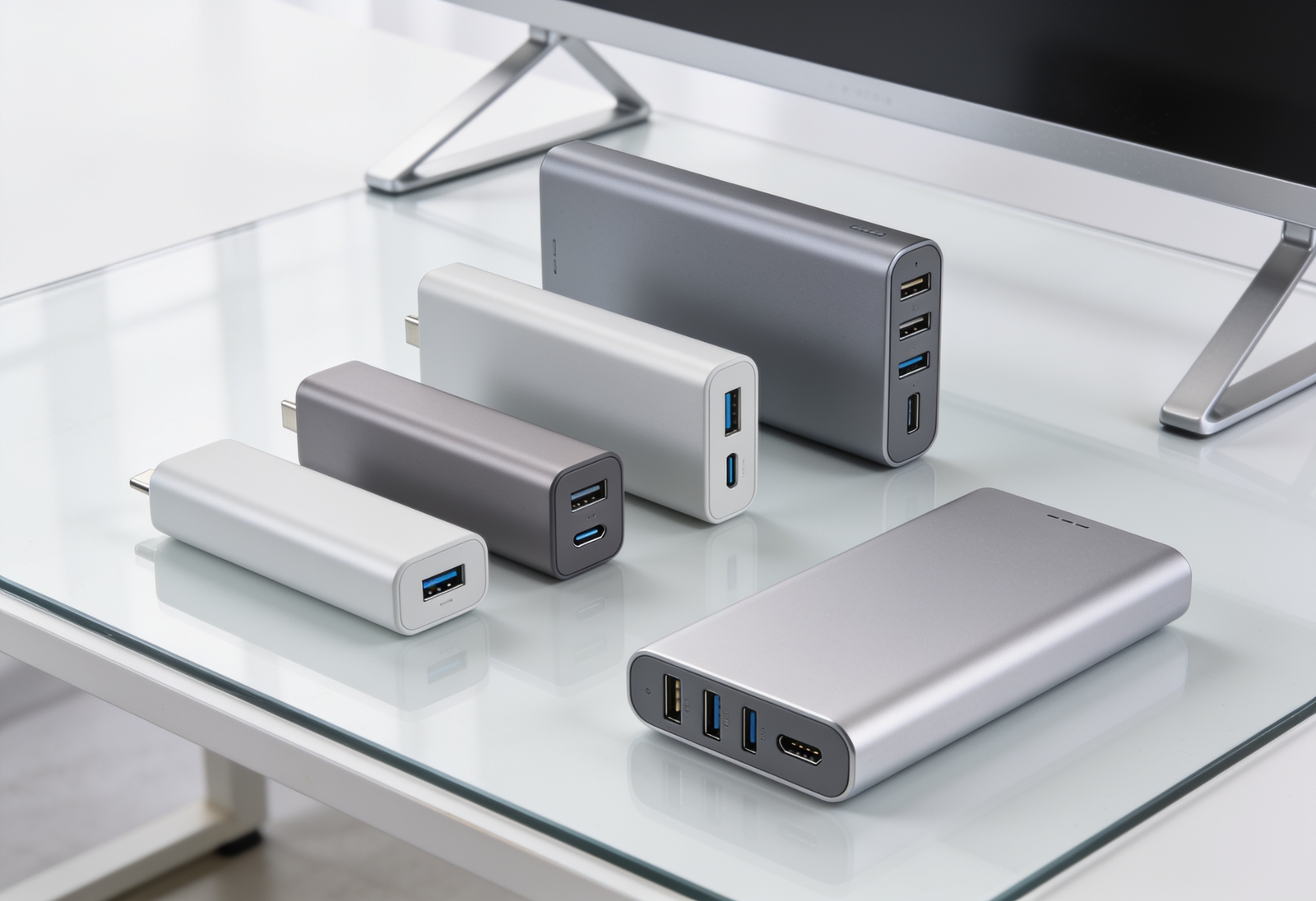
You know that sinking feeling when your phone hits 5% and you’re nowhere near a wall outlet? I’ve been there more times than I want to admit, and that’s exactly why I got obsessed with Power Banks for all‑day use.
I’m going to walk you through how I actually think about Power Banks, not just specs on a box—real‑world use, comfort, and that “I’m safe, I won’t lose battery today” feeling.
Why All‑Day Power Banks Actually Matter
When we say “all‑day,” we’re not talking about topping up your phone once and praying it lasts. We’re talking about:
- Phone + earbuds + maybe a smartwatch.
- A tablet on a long commute or trip.
- Sometimes even a lightweight laptop.
A good Power Bank becomes your quiet backup buddy. It sits in your bag and doesn’t complain. You just know it’s there when your phone starts begging for mercy.
How I Judge a Power Bank (Not Just by mAh)
Before we dive into specific products, let me share how I personally judge Power Banks for all‑day use.
Key things I look at
- Capacity (mAh): How many times can it realistically charge my phone?
- Wattage / speed: Is it fast‑charging, or does it feel like watching paint dry?
- Ports: USB‑C, USB‑A, maybe wireless charging or MagSafe.
- Weight & size: Will it actually live in my bag or pocket, or stay in a drawer forever?
- Durability: Can it survive normal abuse—drops, rain, dusty bags?
For all‑day use, I usually aim for Power Banks in the 10,000mAh to 20,000mAh range with at least one fast USB‑C port.
If you want a deeper technical breakdown of battery sizes and fast charging, this guide from PCMag is super helpful: Buying Guide: Portable Chargers and Power Banks.
Category 1: Compact Everyday Power Banks (Pocket‑Friendly)
These are the Power Banks that live in your pocket or small bag and quietly save you from low‑battery anxiety.
Everyday Compact Picks
I think of this category as “small but powerful enough”:
| Product | Capacity (mAh) | Max Output (W) | Ports | Best For |
|---|---|---|---|---|
| Anker Nano 10K | 10,000 | 30 | USB‑C, USB‑A | Daily phone & earbud use |
| UGREEN MagFlow 10K | 10,000 | 25 (wireless) | USB‑C, MagSafe | iPhone users, cable‑free |
| Nimble Champ Charger | ~10,000 | Fast USB‑C | USB‑C, USB‑A | Stylish, eco materials |
These Power Banks feel like a natural part of your everyday carry—small enough to forget but strong enough to matter.
Why I like these
- Anker Nano 10K: Reliable, solid speed, doesn’t feel huge in hand.
- UGREEN MagFlow: Snaps on the back of compatible phones; no tangled cables.
- Nimble Champ: Uses recycled materials and still charges fast.
If you backpack or camp and still want something compact, CleverHiker has a nice breakdown: Best Power Banks for Backpacking.
Category 2: High‑Capacity Power Banks for All‑Day & Multi‑Device Use
This is where Power Banks stop being “just for phones” and start becoming mini power stations. Think full workday, travel, and multiple devices charging at once.
Heavy‑Duty All‑Day Picks
| Product | Capacity (mAh) | Max Output (W) | Ports | Best For |
|---|---|---|---|---|
| Anker Laptop Power Bank | 25,000 | High (laptop capable) | Multiple USB‑C, USB‑A | Laptop + phone together |
| Baseus Blade / Blade 2 | 20,000 | Up to 65+ | USB‑C focused | Work setups, fast charging |
| INIU 20K 45W | 20,000 | 45 | USB‑C, USB‑A | Phone + tablet accessories |
These Power Banks are serious. They’re heavier, but they’re made for people who can’t afford dead devices—remote workers, travelers, content creators, or just “I use everything all day” folks.
Why they shine for all‑day use
- You can charge a phone multiple times and still have enough for a tablet or console.
- 45W+ output means faster charging for modern phones and some laptops.
- More ports, so your headphones, phone, and smartwatch can all drink from the same Power Bank.
If you travel with gear, this article on 20,000mAh models gives a good sense of what these packs can do: Best 20000mAh Power Banks for Travel. the-gadgeteer
Category 3: Rugged & Outdoor‑Ready Power Banks
Some days you’re not in a café with outlets everywhere—you’re hiking, working outdoors, or dealing with rough conditions. That’s when rugged Power Banks become your best friend.
Rugged & Adventure Picks
| Product | Capacity (mAh) | Rugged Features | Best For |
|---|---|---|---|
| Elecom Nestout Rugged Bank | ~10,000–20,000 | Shock & water resistant | Outdoor workers & hikers |
| Dark Energy Poseidon Pro | Mid‑high | Military‑grade design | Camping, harsh environments |
| Jackery Explorer (compact models) | Varies | Outdoor‑focused build | Car trips, off‑grid power |
These Power Banks are less about being pretty and more about surviving whatever you throw at them.
When rugged makes sense
- You work or travel in rough weather.
- Your bag gets tossed around, dropped, kicked—normal life.
- You want a Power Bank that feels like gear, not a fragile gadget.
OutdoorsMagic has a good overview of outdoor‑friendly portable chargers: Best Portable Power Banks for Camping. outdoorsmagic
Quick Comparison Table: Which Power Bank Should You Choose?
Sometimes it helps to see everything side‑by‑side so you can pick a Power Bank without overthinking.
| Type | Capacity Range | Weight Feel | Ideal Use Case |
|---|---|---|---|
| Compact | 5,000–10,000 | Light / pocket | Daily phone use, short trips |
| High‑Capacity | 15,000–25,000 | Medium / heavy | All‑day, multi‑device, laptop backup |
| Rugged | 10,000–20,000 | Solid / tough | Outdoor work, hiking, rough environments |
When I choose a Power Bank, I start by asking myself one simple question:
“Do I just need my phone to survive, or do I need my whole digital life to survive?”
Your honest answer to that question basically picks the category for you.
Real‑World Tips for Using Power Banks All Day
A powerful Power Bank is great, but how you use it matters just as much.
Simple habits that make a big difference
- Start the day with your Power Bank at 100% instead of waiting until it’s almost dead.
- Use USB‑C fast charging when possible—it’s usually faster and more efficient.
- Don’t run everything at once unless you really need to; it drains quicker.
- Keep a short cable with the Power Bank so it doesn’t turn into a tangled mess.
I like to think of Power Banks as “insurance.” You hope you don’t need them, but when you do, you’re glad you invested in the right one.
Common Mistakes People Make With Power Banks
I’ve made most of these mistakes myself at some point, so if you recognize one, you’re not alone.
- Buying the smallest Power Bank because it’s cheap, then realizing it barely charges once.
- Ignoring wattage and wondering why charging is painfully slow.
- Forgetting to check ports and ending up without the right cable.
- Carrying a huge Power Bank that’s so heavy you stop bringing it.
Good news? Once you understand how Power Banks actually work in daily life, you can avoid these headaches and buy once, use for years.
FAQs About Power Banks for All‑Day Use
What capacity is best for all‑day use?
For most people, Power Banks in the 10,000–20,000mAh range are the sweet spot. They can recharge a phone multiple times and often handle an extra device like earbuds or a tablet without feeling too heavy.
Do I need fast charging on my power bank?
Yes, fast charging makes a big difference. Power Banks with modern USB‑C fast‑charge support can top up your phone much quicker, which really helps when you only have short breaks or limited time to plug in.
How many ports should a good power bank have?
For all‑day use, aim for at least one USB‑C and one extra port (USB‑A or a second USB‑C). That way your Power Bank can handle your phone and one more device without you playing “who gets charged first.”
Are rugged power banks worth it?
If you work outdoors, travel a lot, or simply drop things often, rugged Power Banks are absolutely worth it. They’re designed to handle shock, dust, and sometimes light rain better than normal models.
Can power banks charge laptops?
Some high‑capacity Power Banks with higher‑watt USB‑C outputs can charge modern laptops, especially lightweight models. Always check that the wattage of the Power Bank matches what your laptop needs.