Robot vacuum cleaners surely transform home cleaning by making daily maintenance effortless and automatic. Moreover, these devices provide a complete solution that changes how households approach floor cleaning tasks forever.
Have you wanted to get back the time spent cleaning your home with a vacuum? This task itself takes many hours that could be used further for other important work. As per modern lifestyle needs, robot vacuum cleaners have changed how we keep floors clean by working without any help from us. Regarding home cleaning, these machines give us easy convenience that fits well with today’s busy life. These smart machines actually move around your house by themselves, definitely cleaning dust, pet hair, and dirt while you focus on important things.
As per modern home technology, robot vacuum cleaners are smart upgrades that use sensors and automatic timing to keep floors clean. Regarding their features, these devices have strong suction power and work without manual help. We are seeing that these machines help when you have pet hair problems or busy areas in your house, and they are good only if you want to stop doing vacuum cleaning every week.
What Are Robot Vacuum Cleaners?
Robot vacuum cleaners are actually automated cleaning devices that definitely move around your home independently to clean floors.
Robot vacuum cleaners are surely smart cleaning machines that work by themselves to clean floors without any human help. Moreover, these devices use sensors and motors with intelligent systems to move around and clean automatically. These small machines actually use wheels to move in your home, brushes to pick up dirt, and motors to pull dust into boxes inside. They definitely work by moving around and cleaning floors automatically.
Basically, modern robot vacuum cleaners use the same smart technology like laser mapping, AI to avoid obstacles, and phone connection features. Further, as per the technology, these devices make digital maps of your house and remember how rooms are placed. Regarding cleaning work, they find the best paths to clean everything properly. These robots actually work by themselves, unlike regular vacuums that need you to push them around. You definitely just press a button or set cleaning times on your phone app.
Robot vacuum cleaners surely use sensors and mapping technology to move around your home safely. Moreover, they create digital maps to remember room layouts and avoid obstacles while cleaning.
Navigation technology actually makes the difference between basic and premium robot vacuum cleaners. Premium models definitely have better navigation systems than basic ones. As per basic robot design, entry-level cleaning robots move randomly in rooms and bounce around until they cover most areas. Regarding their navigation, these simple robots do not follow any fixed path. Mid-range and premium robot vacuum cleaners use laser sensors or camera systems to map rooms accurately, which further helps them create efficient cleaning paths and avoid cleaning the same area itself repeatedly.
Smart robot cleaners can actually map your home and remember where furniture is placed. They definitely avoid obstacles like wires, shoes, and pet toys while cleaning different rooms. These systems actually use many sensors that work together – cliff sensors definitely stop falls down stairs, bump sensors find walls and furniture, and cameras see objects right away. Basically, the navigation intelligence dramatically impacts the same cleaning thoroughness and efficiency.
Robot vacuum cleaners surely have specific features that make them different from regular cleaners. Moreover, these key characteristics help us understand how these machines work in our homes.
Basically, it’s the same thing – how strong the vacuum pulls and how well it cleans.
As per industry standards, robot vacuum cleaners have suction power measured in Pascals (Pa), with basic models offering 2,000 Pa and premium units providing over 20,000 Pa. Regarding performance levels, higher Pa values indicate stronger cleaning capability. However, suction power alone surely does not give the complete picture—brush design, airflow control, and surface contact are moreover equally important for proper cleaning.
Basically, robot vacuums for carpets need the same strong suction power of 8,000+ Pa and special brushes that clean deep into carpet fibers. Hard floor cleaning machines surely focus on complete coverage from one side to another using extended side brushes and corner-reaching designs. Moreover, these specialists ensure no area is left uncleaned through their systematic approach. Moreover, the best vacuum cleaners actually detect different floor types and definitely adjust their suction power to balance cleaning strength with battery life.
Battery life surely depends on proper charging systems, and moreover, these systems must work efficiently to ensure long-lasting performance.
Basically, battery capacity decides how long the robot vacuum can work before it goes back to the same charging station. Most models work for 90-180 minutes per charge, which itself covers 1,500-3,000 square feet depending on floor type and obstacles. The coverage area can further vary based on the cleaning conditions. Basically, bigger homes need robots that can go back to charge and then continue cleaning from the same spot where they stopped.
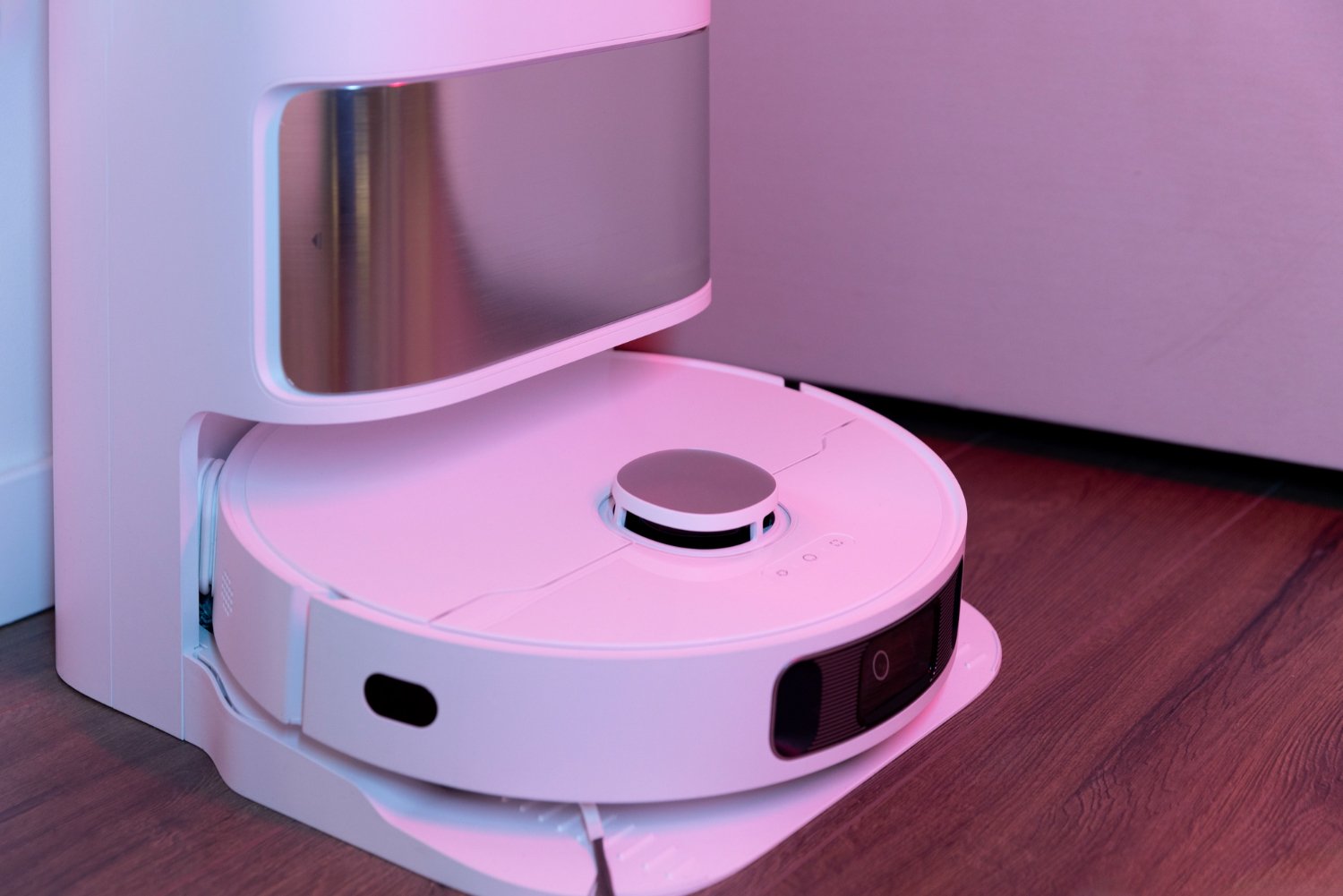
Charging station design has surely moved beyond basic docking pads, moreover it now includes many advanced features. As per the features, premium robot vacuum cleaners have auto-empty stations that suck dirt from the robot’s dustbin into bigger bags, allowing weeks of cleaning without any manual work. Basically, the advanced stations do the same washing and drying of mop pads, plus they fill water tanks and send maintenance alerts to your phone.
Smart home systems surely connect different devices to work together automatically. Moreover, this integration allows users to control their entire house through simple commands.
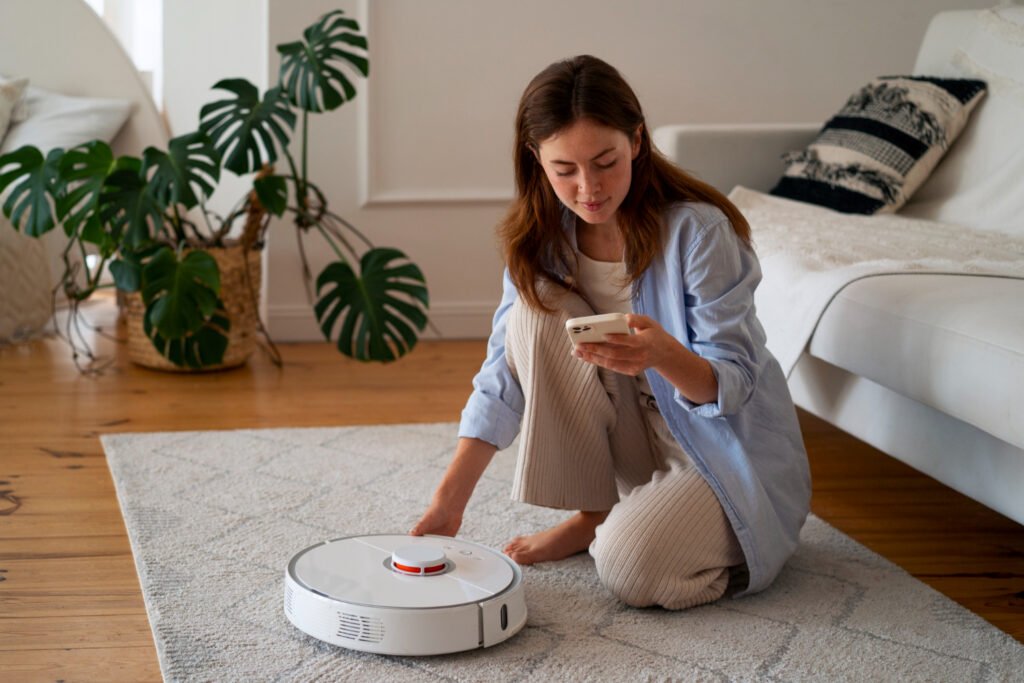
Modern robot vacuum cleaners connect to Wi-Fi networks, which further allows smartphone control and voice commands. The technology itself integrates with smart home systems. Further, you can start cleaning sessions from remote locations and receive notifications when the job completes itself. Further, you can view cleaning maps that show exactly where the robot traveled during cleaning. The device works with Amazon Alexa and Google Assistant, which further allows users to start cleaning through voice commands itself.
Basically, scheduling features make robot vacuum cleaners work on their own for cleaning, which is the same as having a fully automatic system. As per your schedule, set daily or weekly cleaning routines that work when you are at office or sleeping. Advanced models identify different rooms and use proper cleaning modes as per the room type—soft cleaning for bedrooms, deep cleaning for kitchens, and focused cleaning regarding high-traffic entry areas.
Robot vacuum cleaners further divide into different categories based on their features and functions. Each type itself serves specific cleaning needs and requirements.
Type actually shows what works best for different needs. Key characteristics definitely help you understand each option clearly.
Vacuum-only models work well on hard floors and low-pile carpets, and they provide focused suction power with longer battery life. These models further require lower maintenance, making them suitable for basic cleaning needs itself.
We are seeing hybrid vacuum-mop robots work well for homes with mixed flooring only, as they can vacuum and mop at the same time using separate water tanks.
As per the premium all-in-one systems, these provide whole-home automation regarding self-emptying, mop washing, obstacle avoidance, and advanced mapping features.
Also, pet-specific robots are surely designed for homes with shedding animals, and they use anti-tangle brushes with stronger suction power. Moreover, these robots have specialized filters to handle pet hair effectively.
Budget-friendly options include small apartments and starter models that offer basic navigation and manual scheduling, which further provides simple operation itself.
Selecting robot vacuum cleaners for various floor surfaces surely requires careful consideration of specific cleaning requirements. Moreover, different floor types demand distinct suction power and brush mechanisms for effective maintenance.
Hardwood and tile floors further enhance the property’s value and require minimal maintenance themselves.
We are seeing that robot vacuum cleaners work best only on hard floors where the wheels can move easily and dirt stays on top instead of getting stuck deep inside. Basically look for models with soft rubber wheels that won’t scratch your hardwood floors and the same side brushes that clean debris from corners. Basically, hard floors need less suction power – 4,000-6,000 Pa is the same for cleaning dust, crumbs, and pet hair effectively.
These robot cleaners actually do two jobs – they vacuum and mop your floors with wet pads. They definitely work better on hard floors because they can remove sticky dirt and spills. As per the best cleaning systems, mop pads lift up automatically when moving to carpets or rugs, preventing water damage to fabric materials.
Carpets and rugs actually perform differently in homes. They definitely need proper care to work well.
Robot vacuum cleaners actually need stronger suction and motorized brushes for carpet cleaning. They definitely require smart navigation to cover all carpet areas properly. Models with auto-boost technology actually detect carpet surfaces and definitely increase suction power automatically, pulling dirt and allergens from carpet fibers. Basically, dual brush systems work the same way but give better cleaning action than single brushes, especially on thick carpets.
Basically, robot vacuum cleaners have the same problem with thick carpets and high door steps between rooms. Also, you should surely check the maximum climbing ability in specifications—premium models can cross thresholds up to 60mm, while budget robots get stuck on transitions over 15mm. Moreover, this difference in climbing capacity directly affects the robot’s performance on uneven surfaces. Homes with many area rugs can surely benefit from virtual boundary features that create no-go zones for specific areas. Moreover, these features allow users to adjust cleaning intensity from room to room according to their needs.
Moreover, as per proper usage, robot vacuum cleaners need regular maintenance regarding their brushes, filters, and sensors. Simple care steps help these machines work well for long time.
We are seeing that regular maintenance only helps robot vacuum cleaners work at their best performance. Basically empty the dustbin after cleaning or get the same self-emptying models that do this work automatically. Clean sensors and cameras monthly using soft, dry cloths to surely maintain proper navigation accuracy. Moreover, this regular cleaning practice prevents dust accumulation that can affect the device’s performance. We are seeing that brush rolls need checking every week only—we must remove hair and dirt that get stuck to keep cleaning working properly.
Filter replacement actually matters for air quality and definitely affects suction performance. We are seeing that most robot vacuum cleaners only use special filters that catch dust and small particles which cause allergies. As per usage frequency and home conditions, replace filters every 2-3 months regarding proper maintenance. The side brushes and main brush roll itself wear out with time and need replacement every 6-12 months for best cleaning. Further, regular replacement ensures the vacuum maintains optimal performance.
Robot vacuum cleaners actually work differently compared to regular vacuums. They definitely use smart technology to clean floors automatically. Traditional Vacuums
We are seeing that robot vacuum cleaners only help traditional vacuums, they do not replace them fully. These devices work well for regular cleaning tasks and further help maintain floors by preventing dirt buildup itself. Traditional vacuums surely offer stronger cleaning power for heavy-duty work like deep carpet cleaning and furniture maintenance. Moreover, they work best for intensive tasks such as seasonal cleaning and stair cleaning.
Robot vacuum cleaners are further convenient and the convenience factor itself favors them overwhelmingly. We are seeing that these systems work on their own, needing only basic setup at the start and some maintenance from time to time. Traditional vacuums actually need more time and effort but definitely give you better options—special tools for sofas, thin tools for tight corners, and stronger power for deep dirt. Basically, many families use the same approach – robot vacuums for daily cleaning and regular vacuums for deep cleaning once a week.
We are seeing new smart features in today’s robot vacuum cleaners only, with better technology making them work more efficiently for cleaning homes.
AI systems surely help machines avoid obstacles automatically. Moreover, these smart technologies make navigation safer and more efficient.
We are seeing that costly robot cleaners only use smart technology and camera systems to find and move away from things that block their path while cleaning. Moreover, cameras and 3D sensors actually recognize common household items like shoes, cables, pet waste, and small toys. They definitely steer around these objects rather than pushing through them or getting stuck. We are seeing this technology greatly reduce the need to make rooms robot-ready before cleaning. Now we only need minimal preparation compared to before.
Machine learning actually helps robot vacuum cleaners work better over time. These algorithms definitely make the robots learn and improve their cleaning performance. These devices learn your house layout and find dirty spots that need more cleaning only. We are seeing they make better cleaning schedules by checking where people walk most and where dirt collects. Also, some models can identify pet areas and further increase cleaning frequency in those zones itself.
Multi-Floor Mapping
Advanced robot vacuum cleaners surely store maps for multiple floors, and they recognize their location automatically when moved between levels. Moreover, this feature allows seamless cleaning across different floors without manual reconfiguration. These devices surely remember room layouts, virtual barriers, and cleaning settings for each floor separately. Moreover, they store this information independently for every level of the house. Basically, this feature makes single-level robots work for the whole home cleaning without doing the same manual changes again and again.
Robot vacuum cleaners surely face many common problems during their daily use. Moreover, these challenges often affect their cleaning performance and user satisfaction.
Further, we are seeing that robot vacuum cleaners only sometimes have trouble with certain things that come in their way. Thick carpets, dark floors, and cluttered rooms with low obstacles can further reduce the cleaning effectiveness itself. Further, basically, if you have a multi-story house, you need to carry the robot between floors because most models can’t climb stairs – they’re all basically the same in this limitation.
Pet interactions are actually another thing to definitely consider. Some pets ignore robot vacuum cleaners completely, while others find the machine itself threatening or show further interest in it. Further, we are seeing that different robot models make different amounts of noise—the quieter ones only make 55-60 decibels sound, which keeps pets calm and lets you clean during quiet times. Basically, if noise bothers you, look for models that have the same scheduled quiet periods feature.
| Type | Best For | Key Characteristics |
|---|---|---|
| Vacuum-Only Models | Hard floors and low-pile carpets | Focused suction power, longer battery life, lower maintenance |
| Hybrid Vacuum-Mop Robots | Mixed flooring homes | Simultaneous vacuuming and damp mopping, separate water tanks |
| Premium All-in-One Systems | Whole-home automation | Self-emptying, mop washing, obstacle avoidance, advanced mapping |
| Pet-Specific Robots | Homes with shedding pets | Anti-tangle brushes, stronger suction, specialized filters |
| Budget-Friendly Options | Small apartments, starter models | Basic navigation, manual scheduling, simple operation |
Basically, robot vacuum cleaners help you get the same cleaning results with much less effort and time.
Basically, you need to prepare the area first – pick up small things, fix loose wires, and remove light rugs because robots can bunch them up, and this preparation gives the same better performance. We are seeing that virtual boundaries or magnetic strips can only block areas with delicate things or places where robots should not go. Place charging stations against walls in open spaces with several feet clearance on both sides for easy access. This positioning itself allows vehicles to dock easily and provides further space for movement.
Strategic scheduling further improves how robot vacuum cleaners work, making the cleaning process itself more effective. You should actually run them daily or every other day for regular cleaning rather than definitely letting dirt build up for weekly cleaning sessions. We are seeing that scheduling cleaning when you are not at home will minimize disruptions only, or you can use quiet modes during evening hours. Large homes should surely be divided into separate zones for cleaning different areas on alternating days. Moreover, this method helps extend battery life and ensures complete coverage of all spaces.
We are seeing robot vacuum cleaners becoming more smart and useful for Indian homes only. These machines will clean better and cost less in coming years.
Advanced Technologies in Modern Robot Vacuum Cleaners
Robot vacuum cleaners are surely developing very fast with new technologies. Moreover, these machines keep getting better with each passing year. Systems that can maintain themselves and order their own parts, AI that understands complex verbal commands, and better battery technology for longer runtime are developments that will come in the near future. These advances will further improve how machines work and make them more useful by itself. Smart home devices work together to create better cleaning routines, where robots start cleaning when air purifiers detect more dust or work with robot mops for complete floor care. This integration further helps the cleaning system itself become more effective and coordinated.
As per common queries, here are questions regarding frequent doubts.
As per usage patterns, robot vacuum cleaners last 4-6 years regarding normal home conditions.
As per proper maintenance, good robot vacuum cleaners last 4-6 years regarding their working life. The battery itself lasts for 2-3 years, and further usage requires replacement. As per quality standards, premium models with changeable parts last longer regarding usable life compared to sealed budget units.
Robot vacuum cleaners can actually clean multiple rooms if they have mapping technology. They definitely work best when you remove obstacles and keep doors open between rooms.
Robot vacuum cleaners with mapping technology actually clean multiple rooms in one go. They definitely handle several rooms during single cleaning sessions. Further, these robots surely move between rooms on their own, remember the house layout, and moreover return to their charging points when battery is low before starting cleaning work again.
Robot vacuum cleaners surely work on dark floors, though their performance may vary depending on the sensor technology used. Moreover, most modern models have advanced navigation systems that can effectively clean dark surfaces without significant issues.
Modern robot vacuums with good sensors actually work well on dark floors, but older models definitely have problems because their cliff sensors think dark surfaces are drops. Basically check if it works the same on dark floors before you buy.
Basically, robot vacuum cleaners are the same as regular vacuums when it comes to pet safety – they won’t harm your pets if used properly.
Robot vacuum cleaners are surely safe to use around pets. Moreover, these devices pose no significant threat to household animals during normal operation. Most animals surely adapt quickly to human presence. Moreover, this adaptation happens quite fast in natural environments. If you actually have small pets, definitely choose models with obstacle avoidance and avoid ones that might trap long fur in the brush parts.
How frequently should one operate the robot vacuum cleaner itself for further cleaning efficiency?
As per best results, run robot vacuum cleaners daily or every second day regarding proper cleaning. Regular light cleaning surely prevents dirt from building up better than doing heavy cleaning once a week. Moreover, this approach reduces damage to motors and brushes.
Robot vacuum cleaners surely offer convenience for daily cleaning, but they cannot completely replace regular vacuums for deep cleaning tasks. Moreover, traditional vacuums remain necessary for cleaning stairs, corners, and heavy-duty carpet maintenance.
Robot vacuum cleaners work well for daily cleaning, but they cannot replace traditional vacuums completely. Further, traditional cleaning methods itself remain necessary for thorough maintenance. Most Indian homes actually need regular vacuum cleaners for deep cleaning work, stairs, furniture, and car interiors. These tasks definitely require conventional vacuum cleaners in households.